
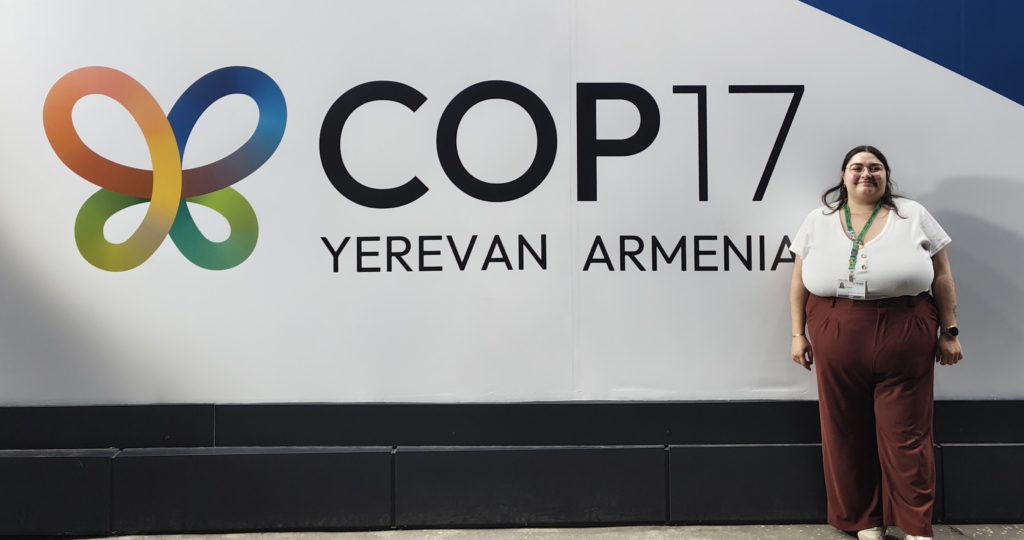
On our first day in Yerevan, before we had really settled into the rhythm of packed meeting rooms, negotiations and seemingly endless acronyms, the Irish Whale and Dolphin Group was already helping bring Ireland’s marine experience onto the global stage.
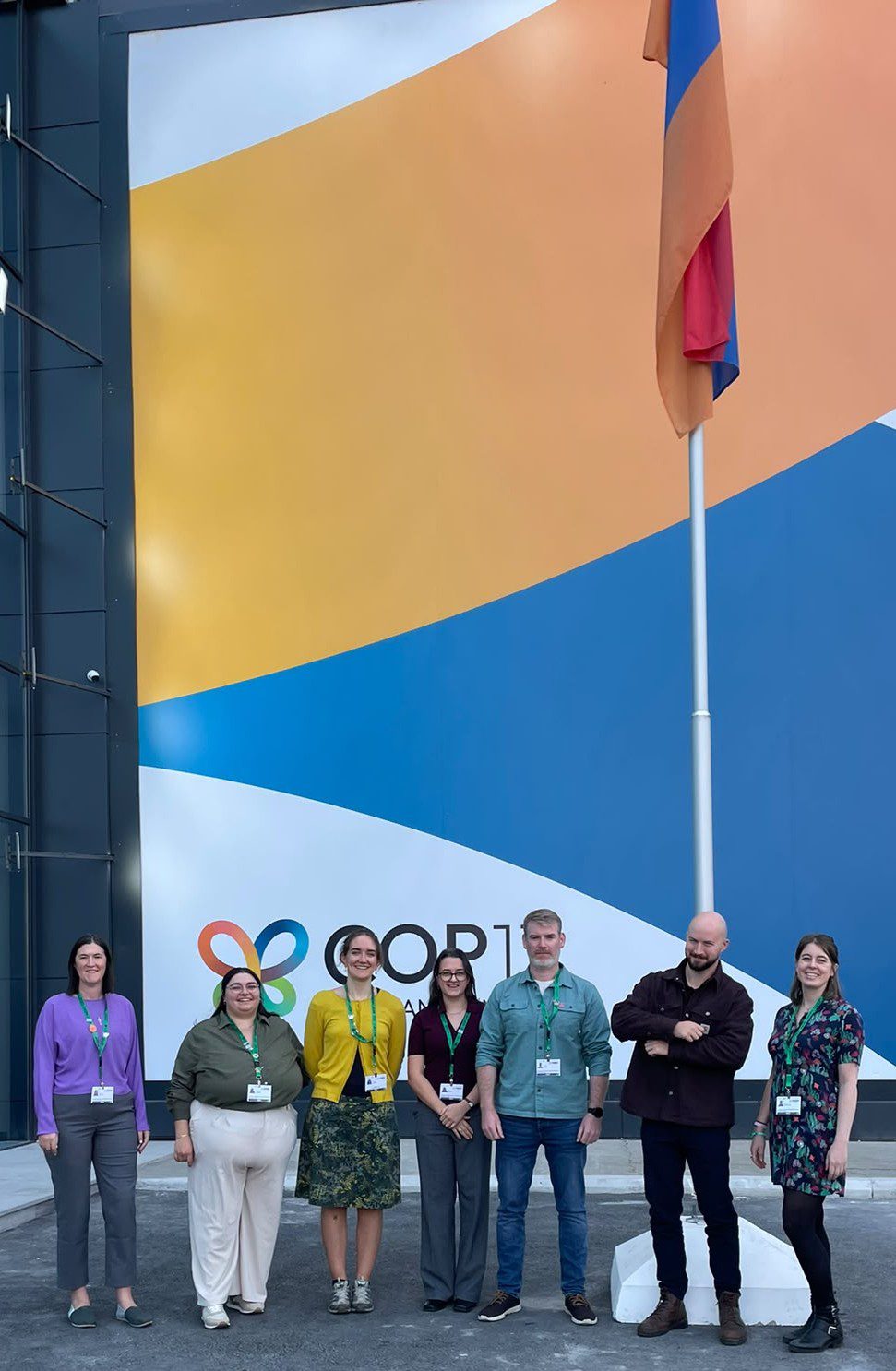
We had travelled to Armenia for COP17, the 17th Conference of the Parties to the UN Convention on Biological Diversity, as part of an Irish civil society delegation through the Irish Environmental Network (IEN), alongside colleagues from Fair Seas, BirdWatch Ireland, the Irish Wildlife Trust and StreamScapes.
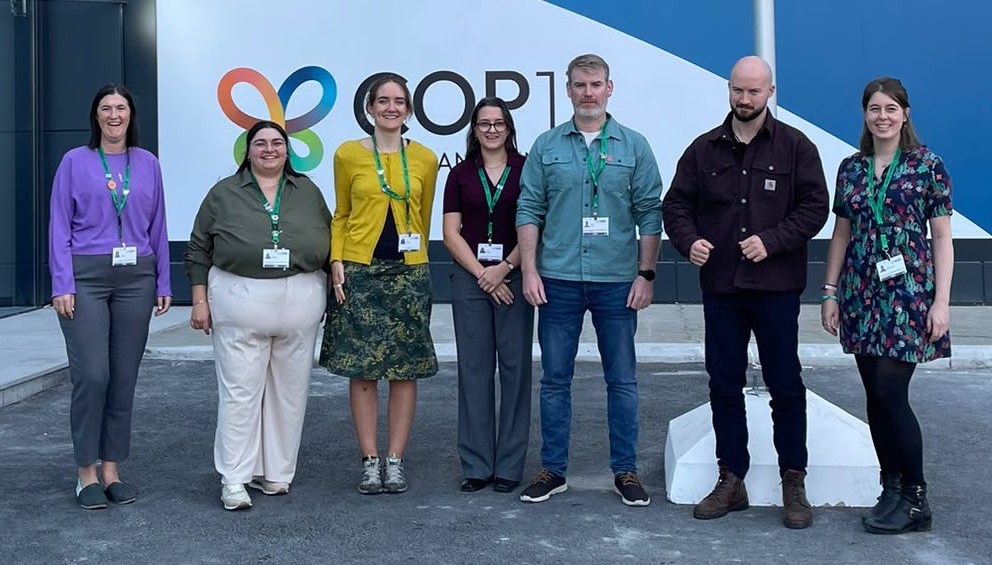
From left to right : Sarah Hegarty (BWI), Eva Lambert (IWDG), Helena Wrenne (StreamScapes), Iseult Cambay (Fair seas), Fintan Kelly (IEN), Oisín Ó Néill (IWT), Jenny Bortoluzzi (IEN)
COP17 came at an important moment. Four years after countries adopted the Kunming-Montreal Global Biodiversity Framework and committed to halt and reverse biodiversity loss by 2030, Yerevan was where the world would take its first real collective look at whether those promises were translating into action.
And, as we quickly discovered, the answer was complicated.
Starting with the ocean: what does effective marine protection actually look like?
Our COP17 experience began with a question that could hardly have been more relevant to Ireland: what does effective marine protection actually require in practice?
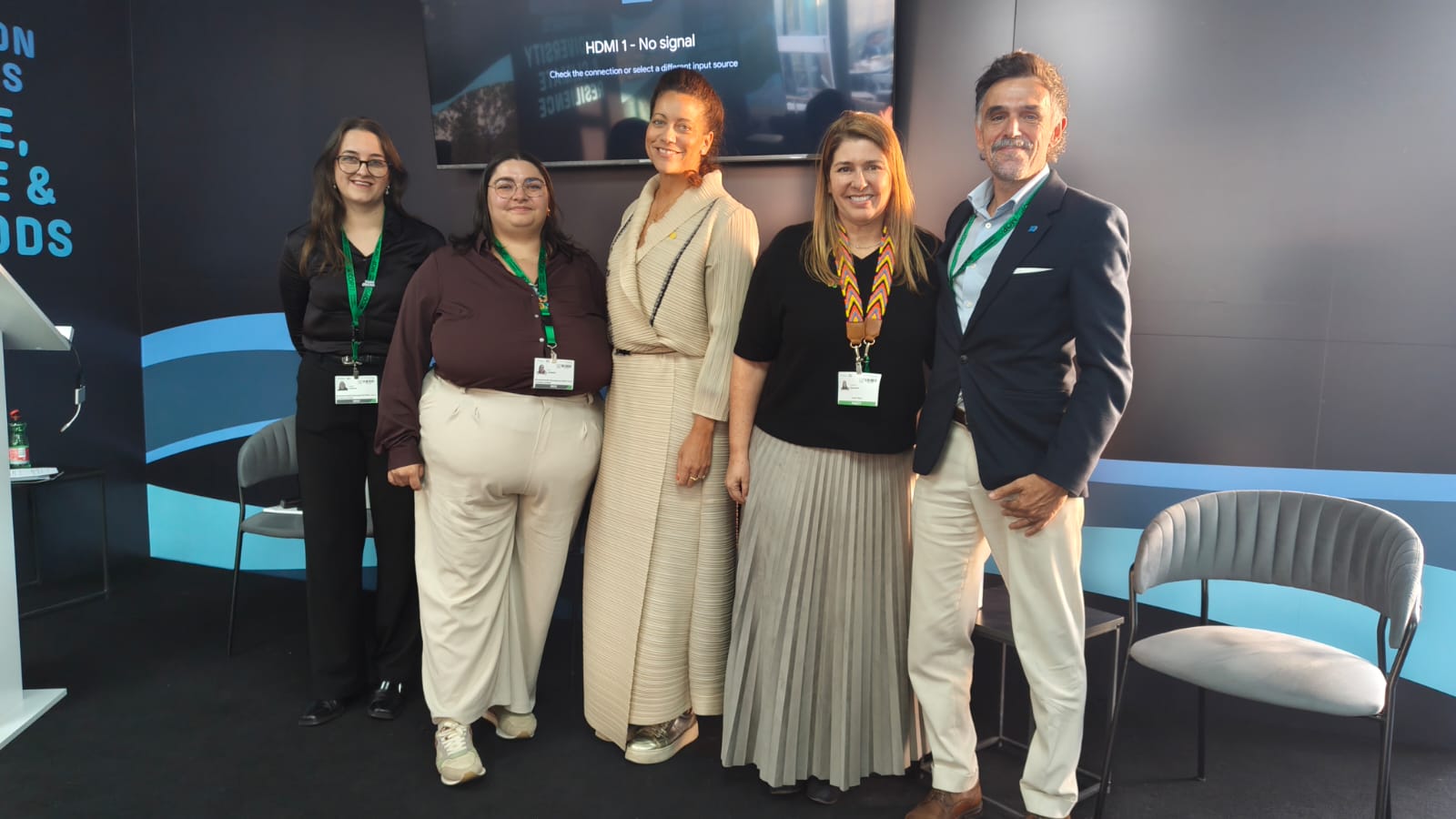
Fair Seas hosted Marine Protected Areas: What Does Effective Delivery Require in Practice? at the Ocean Pavilion, bringing together experience from Ireland and around the world. The only Irish side event at COP17 in the first ever Ocean Pavilion. IWDG Marine Policy and Advocacy Officer Eva Lambert joined Adriano Quintela of the Blue Azores Programme and Oceano Azul Foundation, Cynthia Barzuna of the World Resources Institute and Minna Epps of IUCN and the BBNJ High Ambition Coalition Secretariat, with the discussion moderated by Fair Seas’ Iseult Cambay.
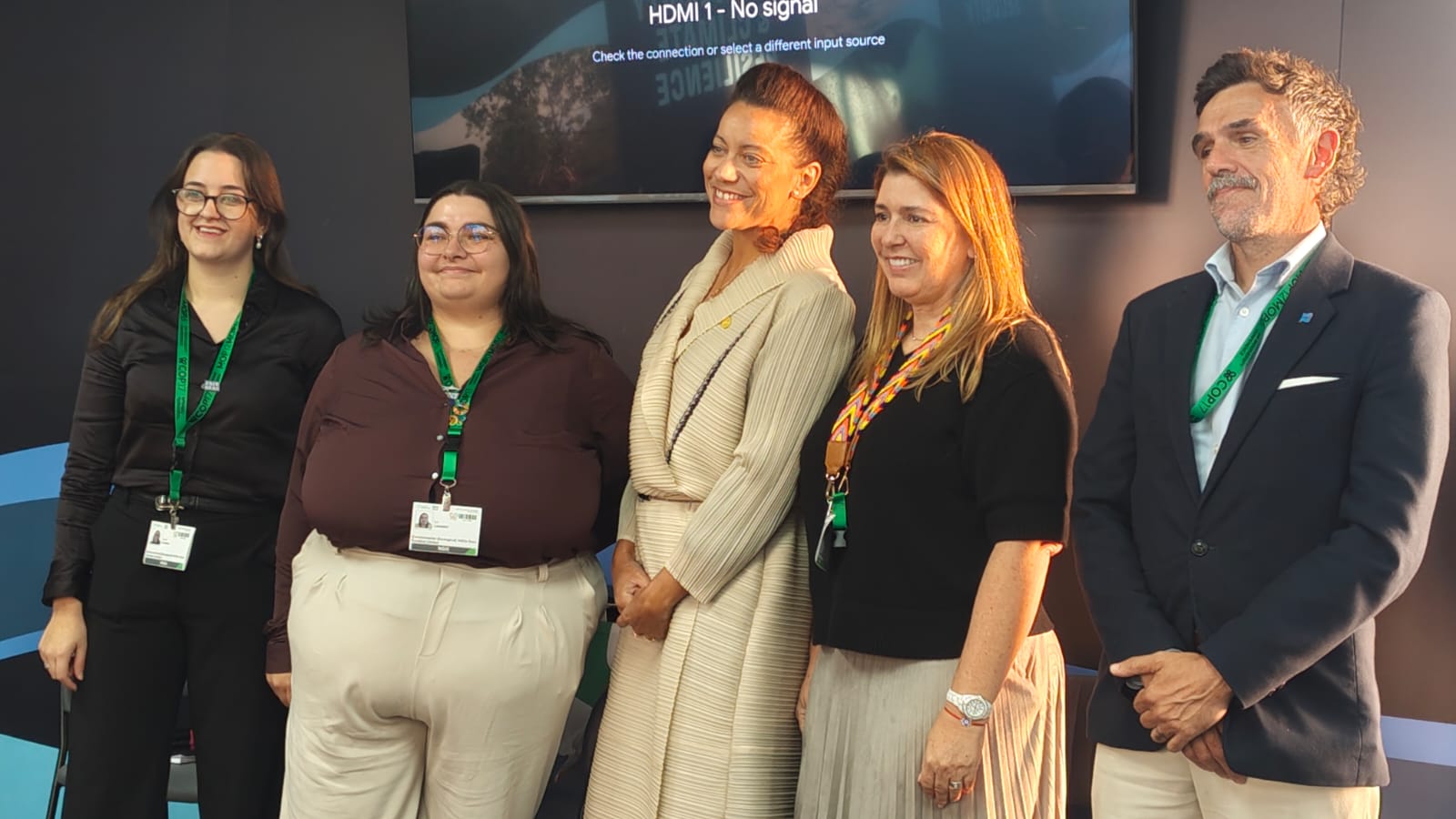
From left to right : Iseult Cambay (Fair Seas), Eva Lambert (IWDG), Mine Epps (IUCN and the BBNJ High Ambition Coalition Secretariat), Cynthia Barzuna (World Resources Institute), Adriano Quintela (Blue Azores Programme and Oceano Azul Foundation)
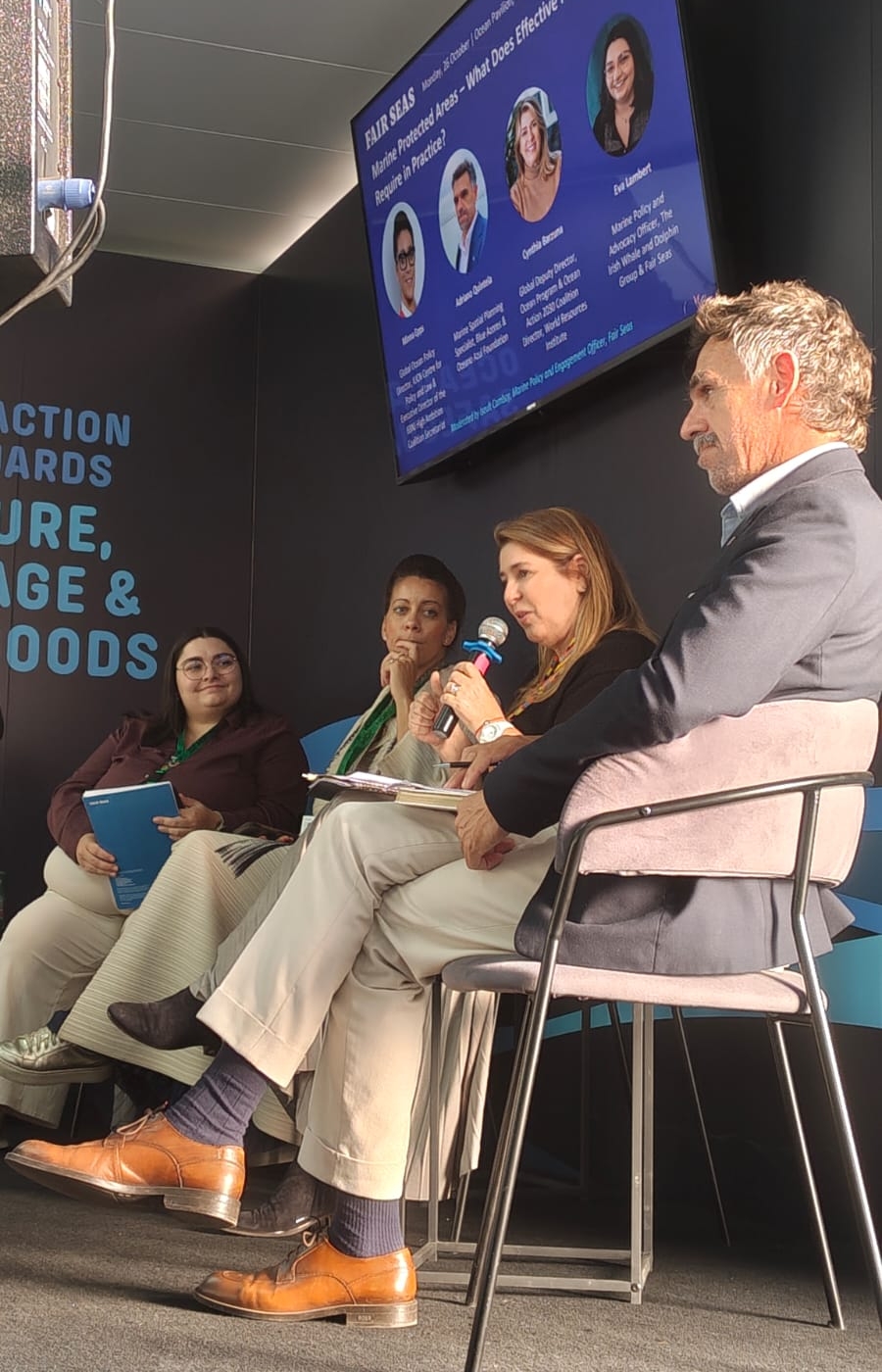
The experiences were very different, but the same lesson kept emerging.
We heard about the Azores’ extensive MPA network and the work still required to ensure those areas are effectively managed; Costa Rica’s expansion of marine protection from 2.7% to more than 30%; and the opportunities presented by the new global agreement for biodiversity beyond national jurisdiction, the High Seas Treaty. From the Irish perspective, Eva highlighted the importance of citizen science, meaningful stakeholder engagement throughout the entire MPA process and, crucially, accountability once an area has been designated.
Because reaching the global target of protecting and conserving at least 30% of the ocean by 2030 cannot simply become an exercise in drawing lines on maps.
Those areas need management. They need monitoring and resources. Coastal communities and stakeholders need to be involved. And, ultimately, we need to be able to demonstrate that protection is actually delivering better outcomes for nature.
It was a fitting conversation with which to begin COP17, because over the following days, the same question would emerge again and again at a much bigger scale.
How do we turn promises into delivery?
Inspiration and frustration in Yerevan
There was a huge amount to be inspired by at COP17.
Outside the formal negotiating rooms were people working on extraordinary conservation initiatives around the world: Indigenous leaders and local communities protecting the ecosystems they depend upon; scientists developing new ways to understand and monitor biodiversity; NGOs pushing governments towards greater ambition; and countries sharing solutions that demonstrated that progress is possible.
For the Irish delegation, it was also an opportunity to build relationships across civil society, meet international partners and speak directly with decision-makers.
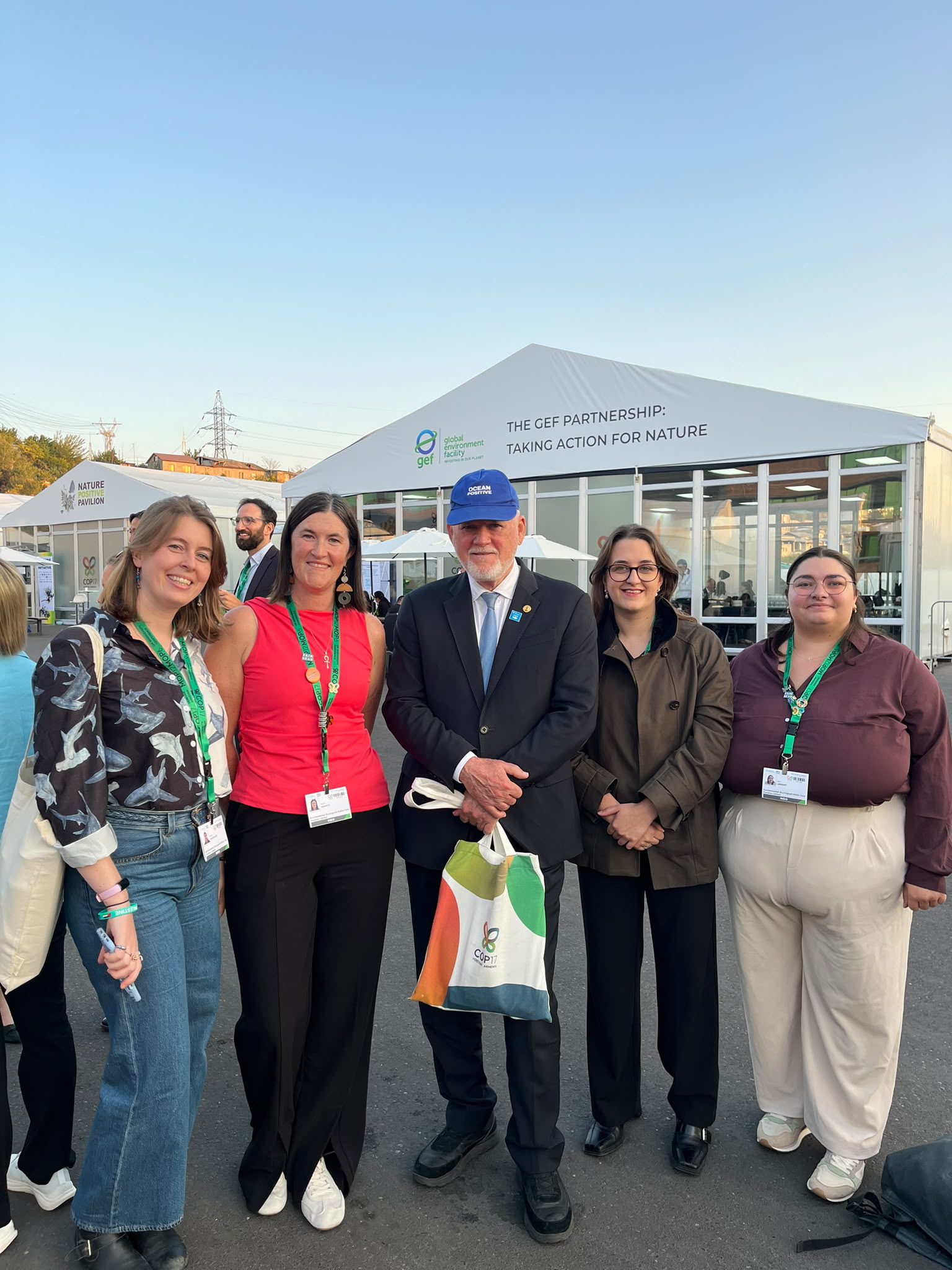
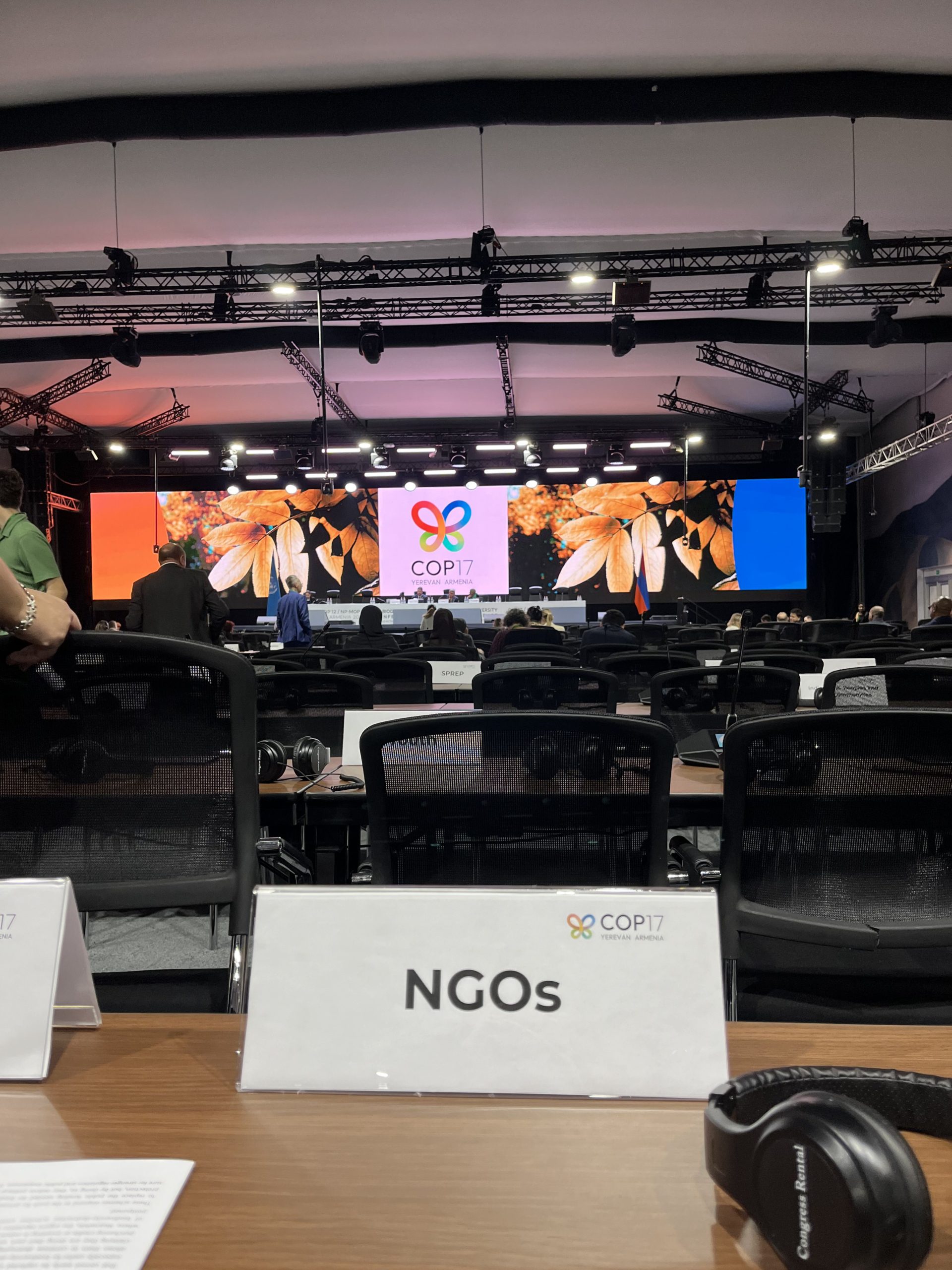

For many of us, there was another important benefit: simply being inside the process.
International environmental negotiations can feel very distant from conservation work at home. Watching texts being negotiated line by line, seeing where governments agree and where they resist, and understanding the role civil society can play in scrutinising those discussions gives a very different perspective.
It builds knowledge and relationships that we can bring back into our work in Ireland and strengthens the ability of Irish environmental organisations to engage more effectively at future international negotiations.
But COP17 was equally a conference of frustration.
The global reality check
At the heart of COP17 was the first global review of progress under the Kunming-Montreal Global Biodiversity Framework.
Its findings were sobering.
The review found that the world is not on track to achieve the Framework’s 23 targets by 2030. Although almost 90% of Parties have established national biodiversity targets, fewer than half of the targets assessed are currently on track.
In other words, the problem is no longer a lack of targets.
The international community has already agreed where it needs to go. The challenge is implementation and whether governments are prepared to make the political and economic changes necessary to get there.
COP17 responded by adopting the Yerevan Pathway, intended to accelerate implementation between now and 2030. It calls for faster action across areas including biodiversity finance, harmful subsidies, national planning, monitoring and the alignment of economic decisions with biodiversity objectives.
That matters. In an increasingly difficult international political environment, maintaining multilateral agreement and getting almost 200 countries to move forward together should not be dismissed.
But neither should agreement itself be confused with success.
Progress for nature, including the ocean
Despite the challenges, COP17 did deliver some tangible progress.
Countries adopted the Yerevan Pathway, a shared commitment to accelerate action towards the 2030 biodiversity targets. New decisions also strengthened international cooperation on protected areas, marine biodiversity and the participation of Indigenous Peoples and local communities in conservation.
For the ocean, discussions reinforced the importance of protecting marine ecosystems, improving scientific knowledge and ensuring that conservation measures deliver real results.
These may not have been the breakthroughs many had hoped for, but they were steps in the right direction. And at a time when international environmental cooperation is facing increasing pressure, the fact that countries continue to work together for nature matters.
The gaps were impossible to ignore
But behind these achievements, some familiar frustrations remained.
Funding was one of the biggest sticking points. Countries continue to make ambitious commitments to protect biodiversity without providing the financial resources needed to deliver them. Meanwhile, governments still spend enormous amounts supporting activities that contribute to nature loss.
Progress was also slowed by political disagreements, with some countries resisting stronger commitments on environmental protection and accountability. Even the recognition of the recently implemented High Seas Treaty became a point of contention.
For those of us following the negotiations, it was frustrating to see how much time could be spent debating individual words while the biodiversity crisis continues to accelerate.
And perhaps that was one of COP17’s biggest contradictions: the world largely agrees on the need to protect nature, but still struggles to agree on how to make it happen.
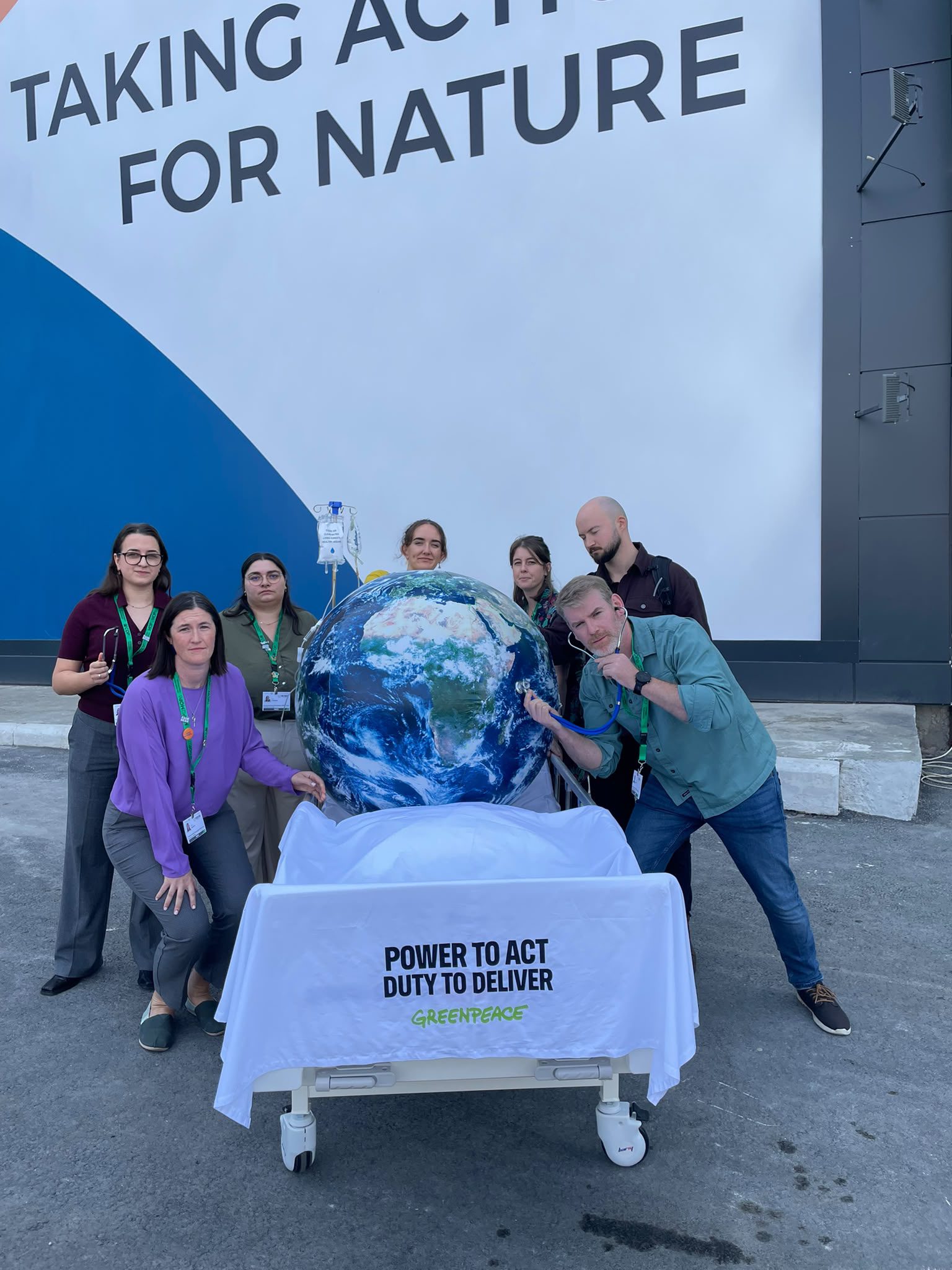
For the Irish delegation there were smaller disappointments too. Despite Ireland holding the Presidency of the Council of the European Union and playing a central role in coordinating EU positions during the negotiations, Ireland had no dedicated national pavilion. For members of the civil society delegation, it felt like a missed opportunity to showcase Ireland’s biodiversity, conservation work and ambitions internationally. Ireland’s EU Presidency nevertheless placed the country in an influential position during the negotiations, including on the Global Review and biodiversity finance.
From Yerevan back to Ireland
Perhaps the biggest lesson from COP17 is that ambition is no longer enough.
We already have international targets. We already know many of the actions required. And we know increasingly well what successful conservation looks like. What is missing is implementation at the speed and scale the biodiversity crisis demands.
For Ireland’s seas, that lesson could hardly be more relevant. As Ireland moves forward with its own Marine Protected Area framework, the question cannot simply be how much ocean we designate. We have an opportunity to learn from countries that are further along their MPA journey and ensure that our network is ecologically coherent, effectively managed, adequately financed and built with meaningful participation from the people who use, study and care for our seas.
The same principle applies far beyond MPAs. International commitments matter because they establish a shared direction. COP17 demonstrated that multilateral cooperation on nature is still possible, even in difficult circumstances.
But Yerevan also showed very clearly that a target written into an international agreement does not protect a species, restore a habitat or recover an ecosystem by itself. That happens afterwards, through policy, funding, science, communities, enforcement and persistent work on the ground and at sea.