What We Do

  • Research

    Learn more about our work

    Find Out More

  • Conservation

    How we protect the cetacean
    species and their habitats

    Find Out More

  • Welfare

    Find out more about the pressing issues
    facing Whales, Dolphins and Porpoises

    Find Out More

  • Education and Outreach

    Learn more about
    Whales, Dolphins and Porpoises

    Find Out More

Support Our Work

LATEST FROM TWITTER
IRISH WHALE AND DOLPHIN GROUP

🐋Thank you to everyone who has submitted sighting and stranding reports over the past week!
Did you know? Now you can submit your reports to our new user-friendly IWDG REPORTING APP available for free on the App Store or on Google Play or via
👉https://iwdg.ie/iwdg-reporting-app/

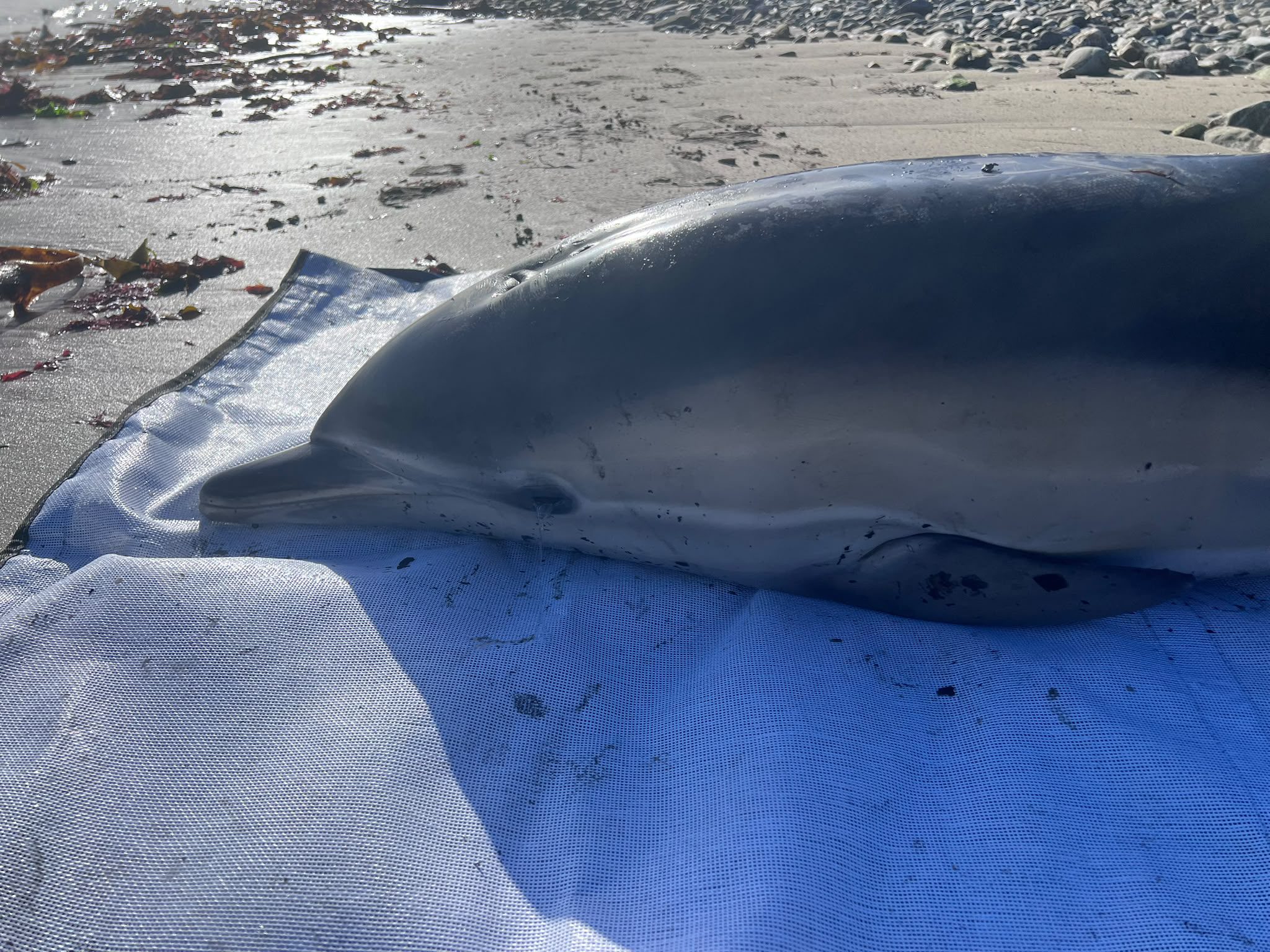
The Fenit 3 have been identified, they belong to the Moray Firth population.
This population is resident in the Moray Firth, Scotland, as the Shannon Dolphins are resident in the Shannon and nearby bays.

4

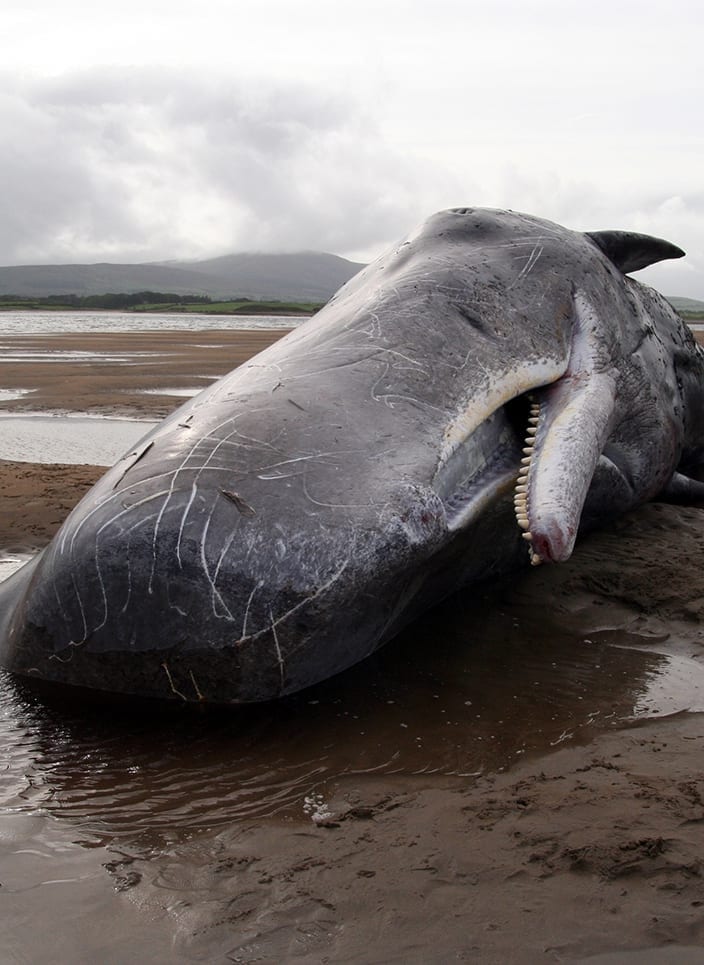
Northern right whales were named so due to their reputation for being the 'right' whale to hunt. They were once quite common in coastal waters, were slow moving,approachable, did not sink when killed, and provided large amounts of oil, meat and whalebone.
https://iwdg.ie/species/

Load More...
LATEST FROM FACEBOOK
IRISH WHALE AND DOLPHIN GROUP
🐋 Thank you to everyone who has submitted sighting and stranding reports over the past week ! We hope you continue to submit your records and help us gain a better and more comprehensive picture of cetaceans and basking shark abundance and distribution in Irish waters. ⚡️To make life a bit easier our NEW Reporting App is available now for mobile devices and downloadable for free on the App store for iPhones and the Google Play store for Android or via the Iwdg website atiwdg.ie/iwdg-reporting-app/#iwdg#strandings#sightings#BiodiversityWeek2021#speciesindentification#loveyoursea#marineprotectedareas#education#outreach#research#conservation ... See MoreSee Less
View on Facebook
North Atlantic Right Whale | Eubalaena glacialis | Ceartmhíol mór an tuaiscirt’the right whale to hunt’Northern right whales were named so due to their reputation for being the 'right' whale to hunt. They were once quite common in coastal waters, were slow moving, approachable, did not sink when killed, and provided large amounts of oil, meat and whalebone. Very little is known about their behaviour as they are quite rare in Irish waters. They tend to blow 5​-​-10 times at intervals of 15​-​-30 seconds followed by a dive. These beautiful whales are slow, docile swimmers but can often be seen breaching and flipper slapping. Breaches may occur up to 10 times in a row and can be heard from at least 1km away. Blows are “v” shaped and reach 5 m.Robust, barrel shaped body is predominantly black with a variable amount of white on the belly. They have a broad back and large black flukes with a concave margin. Diagnostic yellow rough clumps of skin occur around the head called callosities which can be used to identify individuals. Callosities may appear white, pink, yellow or orange due to the presence of whale lice, also known as cyamidcrustations. Their baleen is extremely elongated and black in colour.Typically seen alone, they may also travel in groups of 1-3 animals but tend to congregate into larger groups during feeding events of 20+ individuals. When in small groups, normally only one animal will surface at a time.�They are known to be quite inquisitive and approachable, and have been seen inspecting various objects in the water by pushing them around. Right whales can be seen skimming through dense concentrations of zooplankton, primarily copepods, below or at the surface of the water - their most common prey item is the copepod. Northern right whales are confined to the North Pacific Ocean and the coastal waters off the east coast of North America - there have been less than 25 sightings in the last 60 years! They were once widely distributed on both sides of the Atlantic and unfortunately their numbers have since been dramatically reduced. Between 1908 and 1920 ‘only’ 18 right whales were killed at the whaling station in Blacksod in Co. Mayo. This small number is an indication that their numbers were already severely depleted at that time. There have been a number of confirmed reports of individuals from European waters over the last decade, including two sightings from north-west of Donegal. The current North Atlantic population consists of only approximately 300-350 individuals centred off the east coast of North America. Find out more about these whales at iwdg.ie/species/#northernrightwhale#whalehunting#iwdg#reserach#conservation ... See MoreSee Less
View on Facebook

Our Partners and Sponsors

Back to Top

Sign up for the IWDG Newsletter

Cláraigh le haghaidh Nuachtlitir IWDG