From Sanctuary to Society: IWDG at CommOCEAN 2026
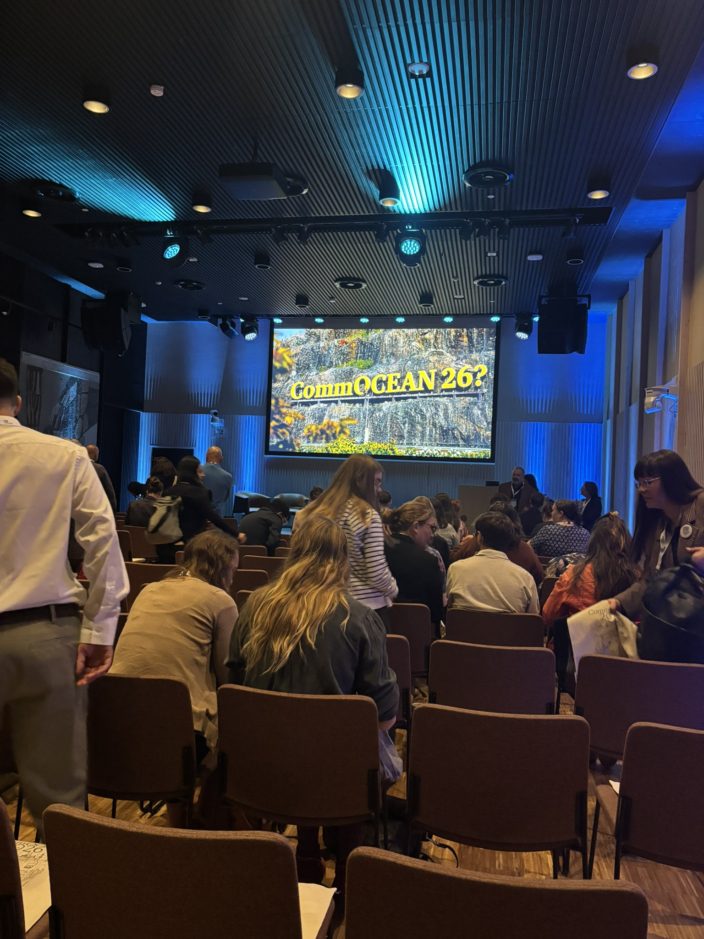
The 7th CommOCEAN conference took place on 2–3 September, with an icebreaker reception on 1 September. This year’s theme was “Communication for and within the UN Ocean Decade: Setting Sails for 2030.”
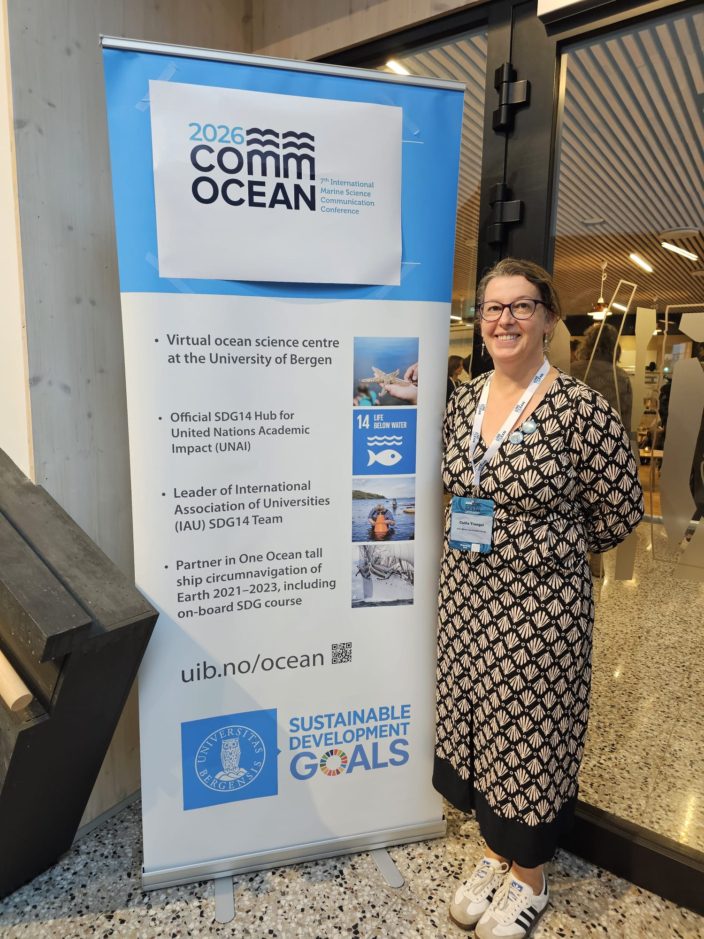
For me, the conference was particularly meaningful as I was not only attending to learn from others, but also had the opportunity to present my own work on IWDG’s pilot Whale and Dolphin Sanctuary Day.
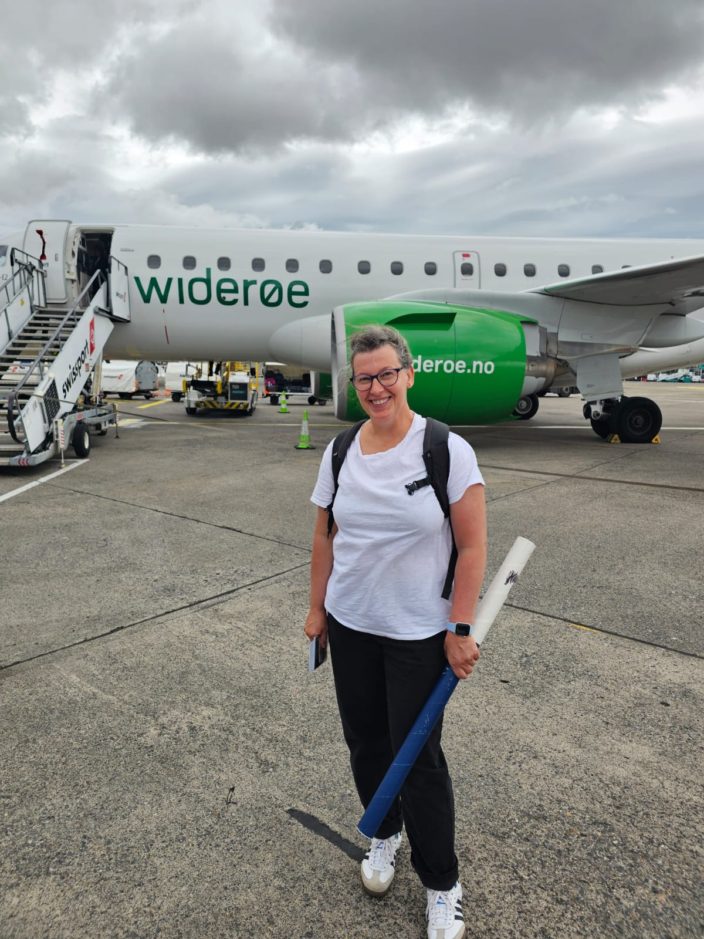
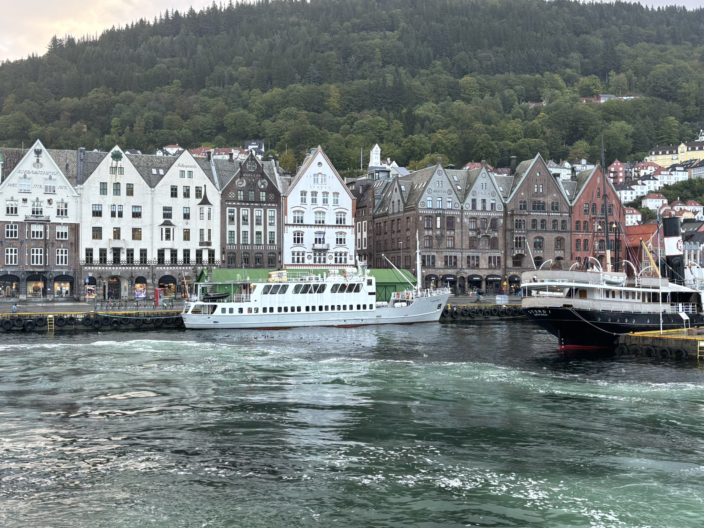
A memorable start in Bergen
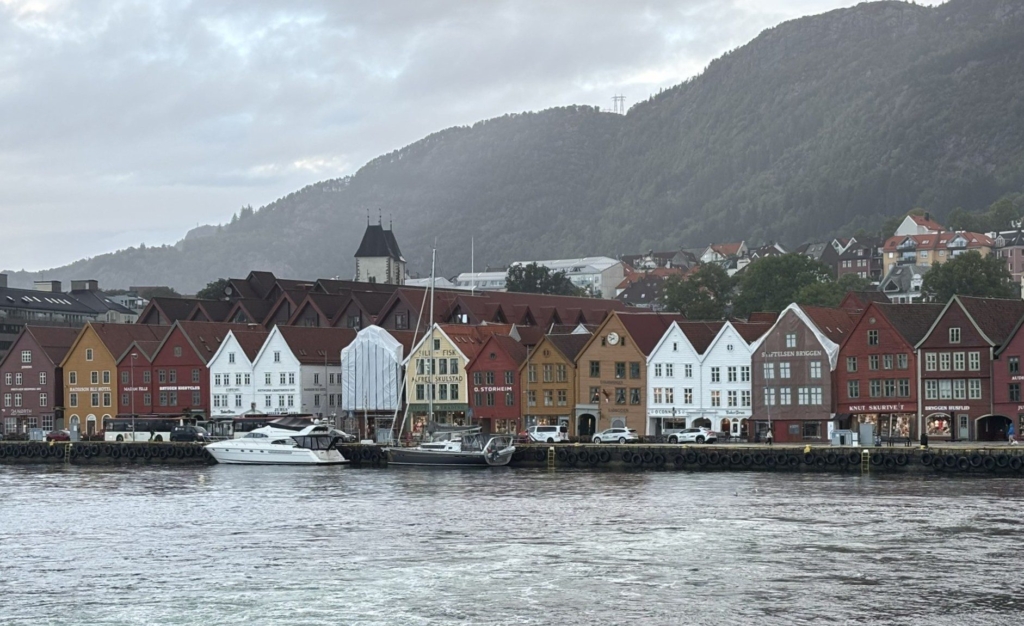
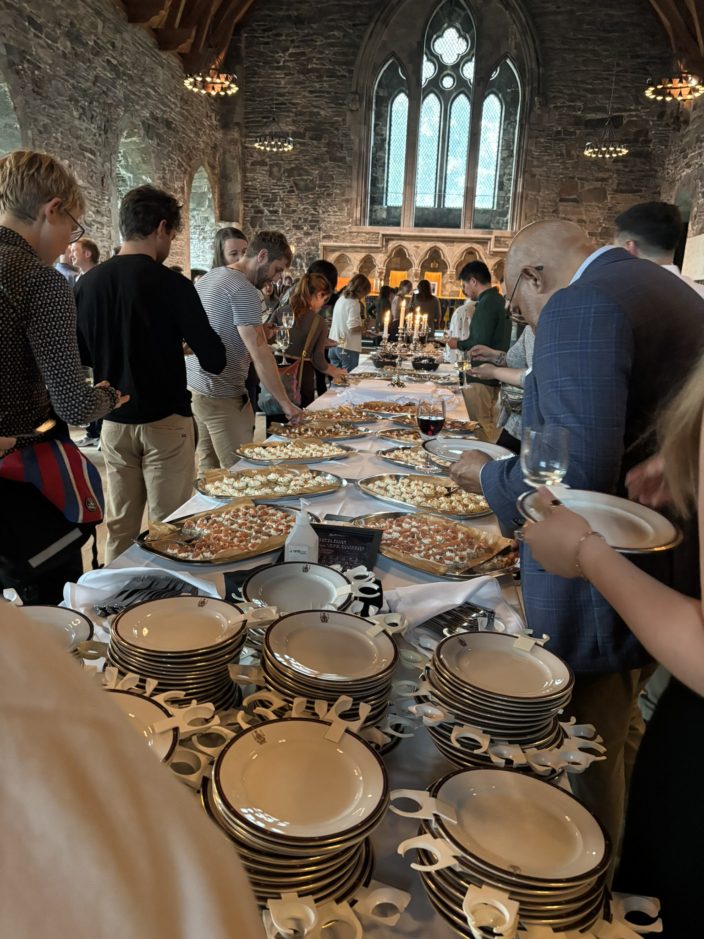
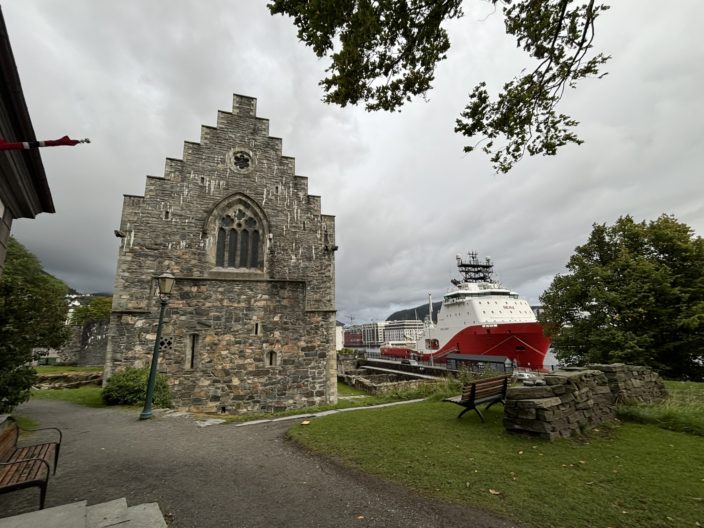
The conference began with an icebreaker reception in Håkonshallen, Bergen’s historic medieval castle. Meeting other participants in such a remarkable setting was a lovely way to begin the conference and provided an opportunity to get to know people before the main programme started.
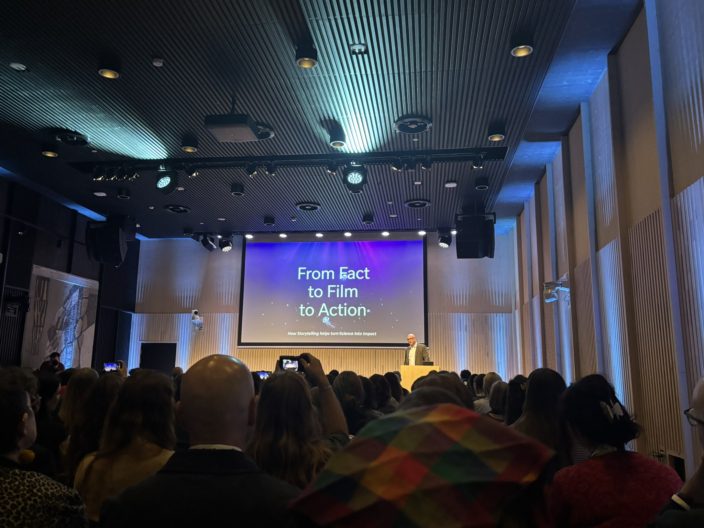
The following day the conference opened with an inspiring keynote from James Honeyborne, the Emmy Award-winning television producer behind major natural history productions, like Blue Planet II. His presentation highlighted the power of storytelling and visual communication to bring ocean issues to life and connect audiences emotionally with the natural world.
Bringing Sanctuary Day to an international audience
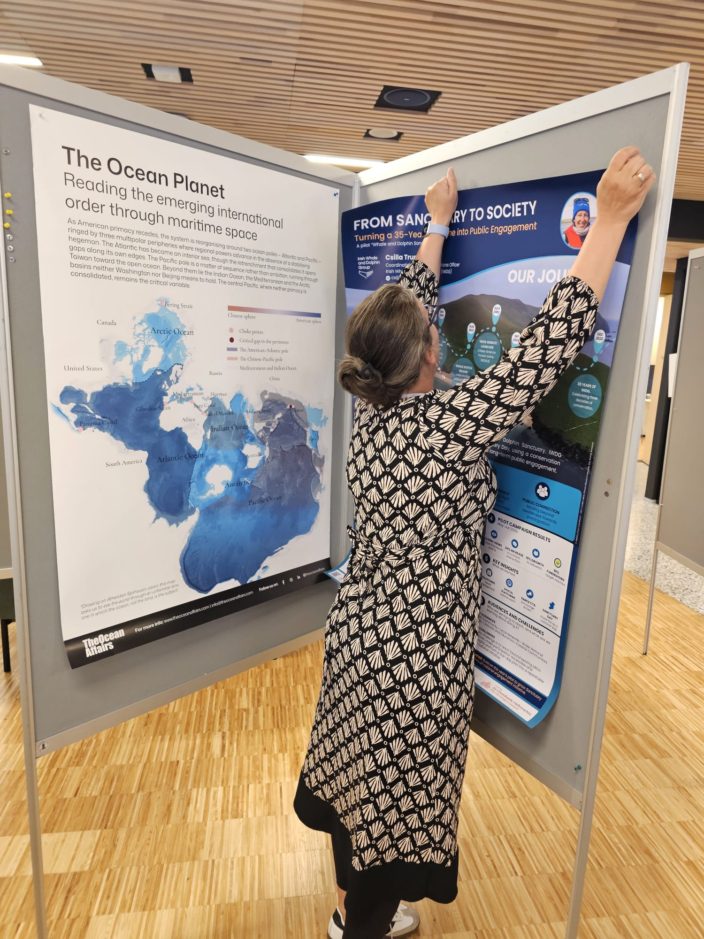
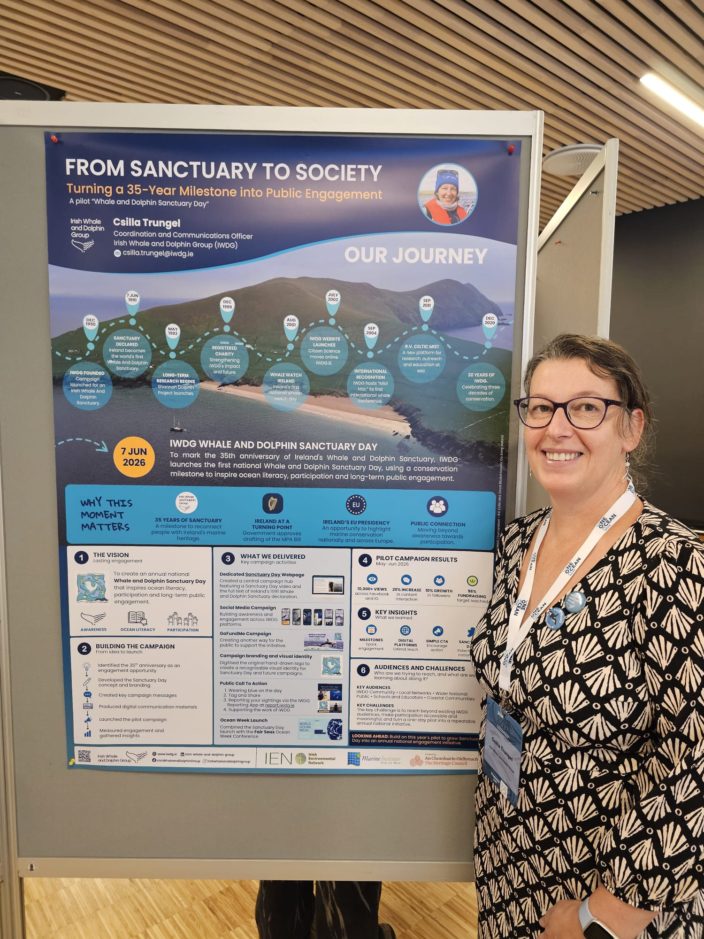
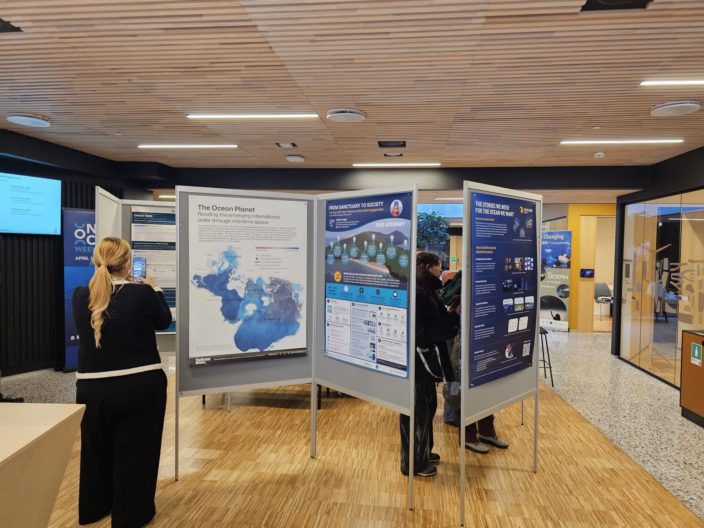
One of the main part of the meeting for me was presenting my poster, “From Sanctuary to Society: Turning a 35-Year Milestone into Public Engagement.”
The poster shared the development of IWDG’s pilot Whale and Dolphin Sanctuary Day, created around the 35th anniversary of Ireland’s Whale and Dolphin Sanctuary. Rather than treating the anniversary simply as something to celebrate, the project explores how a conservation milestone can become a starting point for ongoing public engagement, ocean literacy and participation.
Learning new ways to communicate the ocean
Alongside the keynote presentations, I took part in several practical and interactive workshops that explored different ways of engaging people with the ocean.
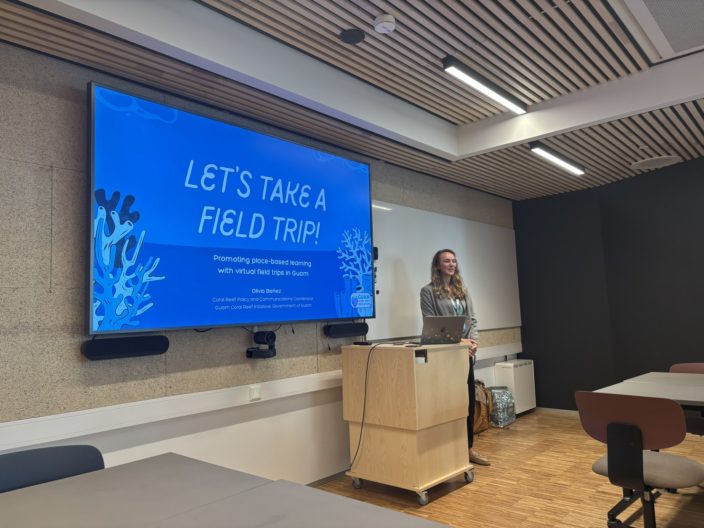
“Let’s take a field trip! Promoting place-based learning with virtual field trips in Guam” by Olivia Bañez: This circus session explored how virtual field trips can make coastal and marine environments more accessible, particularly for students and communities who may face barriers to visiting them in person.
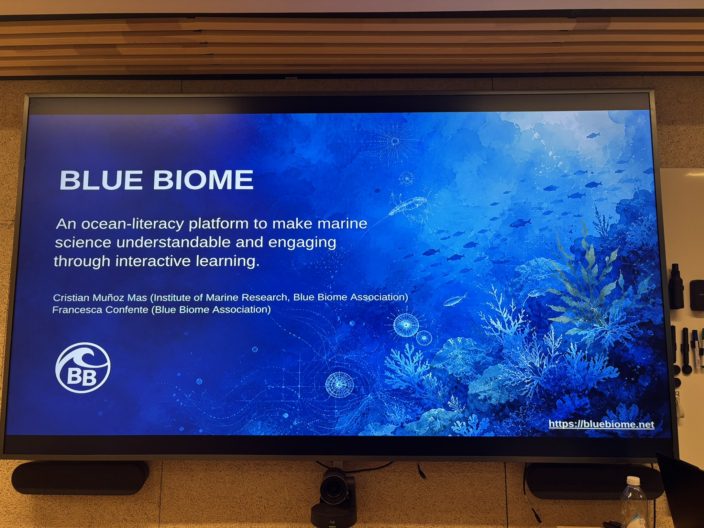
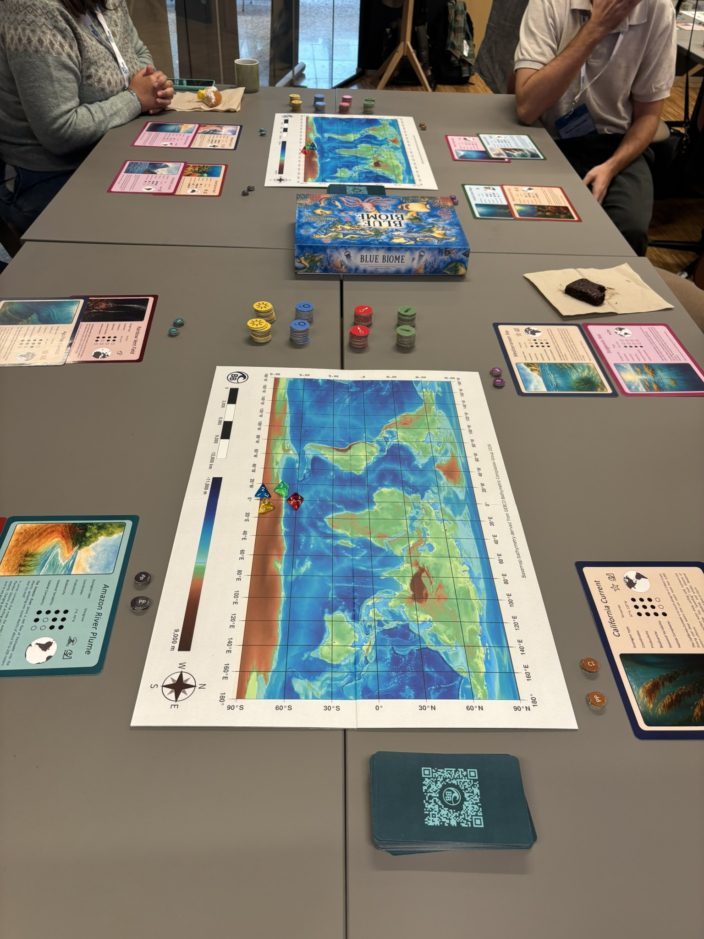
“Exploring the BlueBiome game-based Communication Tools” with Cristian Muñoz Mas and Francesca Confente: We tried the physical board game and gave and intro to the digital multiplayer game designed to turn complex ecosystem dynamics into interactive learning. The session explored how games can support understanding, engagement and emotional connection with marine science.
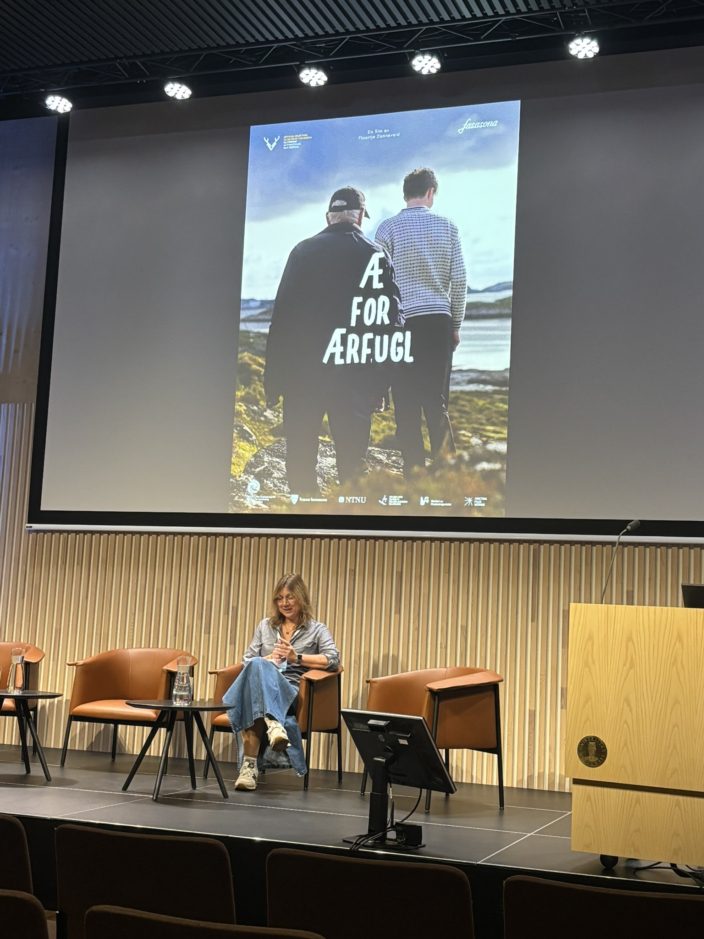
The Sea is the Walls of my Home” by Siri Granum Carson: This session included a screening of a documentary about one of the last remaining eider duck keepers on the remote island of Sandøy, exploring coastal heritage, place and an intergenerational relationship with the sea. A communication discussion followed the screening.
“Sense the Sea: Multi-Sensory Maritime Communication Workshop” by Izabela Kotynska-Zielinska and Urszula Zerek: This highly experiential workshop explored how sight, sound, smell, taste, touch and movement can be used to create a more personal connection with the sea, moving beyond communication based only on data and information.
My 5 takeaways from CommOCEAN 2026
1. Make the ocean accessible: The virtual field trip from Guam showed how digital tools can bring local marine environments to people who may not otherwise have access to them. It made me think about how we can create more accessible ways for people to experience and learn about Ireland’s marine environment for example creating an online learnining virtual
2. Let people participate, not just listen: Trying the BlueBiome board game and online game showed me how interactive experiences can make complex marine topics more approachable. It reinforced the value of creating opportunities for people to participate rather than simply receive information.
3. Stories connect people to place: The eider duck documentary and the discussion that followed demonstrated the power of combining people, place, heritage and wildlife in a story. This strongly connected with my own work on Sanctuary Day and the importance of Ireland’s relationship with its marine environment.
4. Experience can be more powerful than information: The multi-sensory Sense the Sea workshop was a particularly memorable experience. Using sound, touch, taste, smell and movement showed how communication can create a personal connection with the ocean that goes beyond facts and statistics.
5. Take these ideas back to Sanctuary Day: The sessions made me think about how Sanctuary Day could continue to develop beyond a digital campaign, through local experiences, outreach, interactive activities, storytelling and simple ways for people to participate. My poster was about turning a conservation milestone into public engagement, and CommOCEAN gave me new ideas for how that engagement could develop.
I am very grateful to the Marine Institute and the Irish Environmental Network for their support, which made it possible for me to attend CommOCEAN 2026 and represent IWDG at this international ocean communication conference.
Csilla Trungel
IWDG Coordination and Communication Officer