
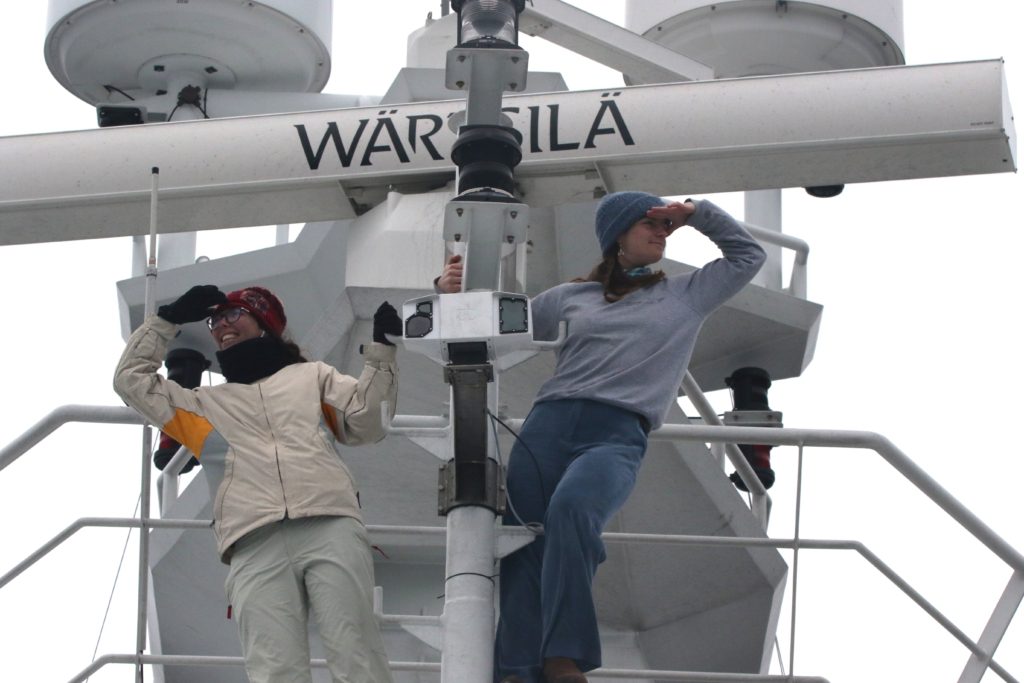
Atlantic Whale Deal this, Atlantic Whale Deal that… You may have heard the name of this project a handful of times if you have been keeping up with our blogs and ezines. For almost three years now the IWDG has been joining research vessels on the Atlantic Ocean for this project, but what is the point?
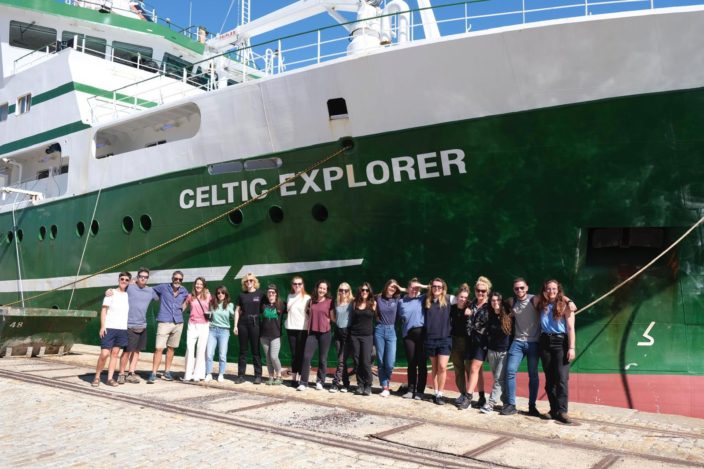
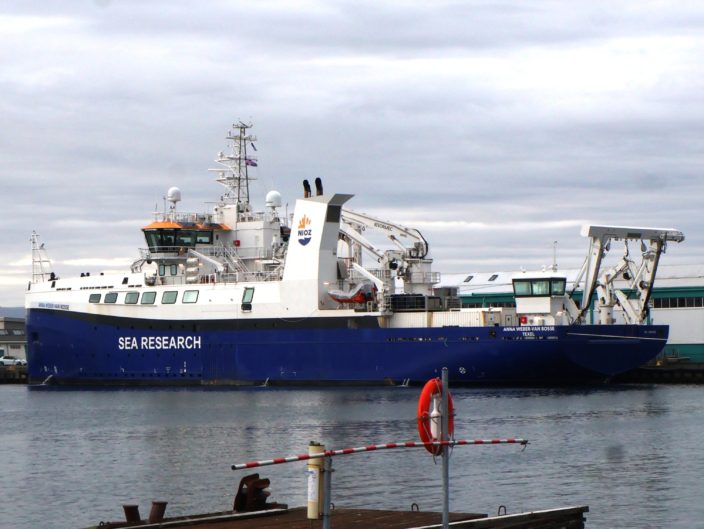
The Atlantic Whale Deal is an Atlantic Area Interreg project focused on mitigating ship strikes. A paper published in 20241 highlighted ship strikes as the primary threat to large whales. The European Atlantic Ocean is one of the busiest maritime areas in the world, with various ship strike hot spots. Several mitigation measures exist already. Considered one of the most effective is slowing your vessel down, particularly to under 10 knots as researchers agree that the likelihood of fatality increases drastically if the ship is sailing faster than 10 knots.
Voluntary speed restrictions have been adopted in many ships strike hot spots, such as in the Northwest of the Mediterranean Sea, the Gulf of Saint Lawerence in Canada, Hauraki Gulf in New Zealand and many more. Mandatory restrictions are rare but present. A dynamic mandatory slowdown is in place in the Bay of Fundy (USA) which activates when the critically endangered Northern Atlantic Right Whale is spotted in the shipping lanes.
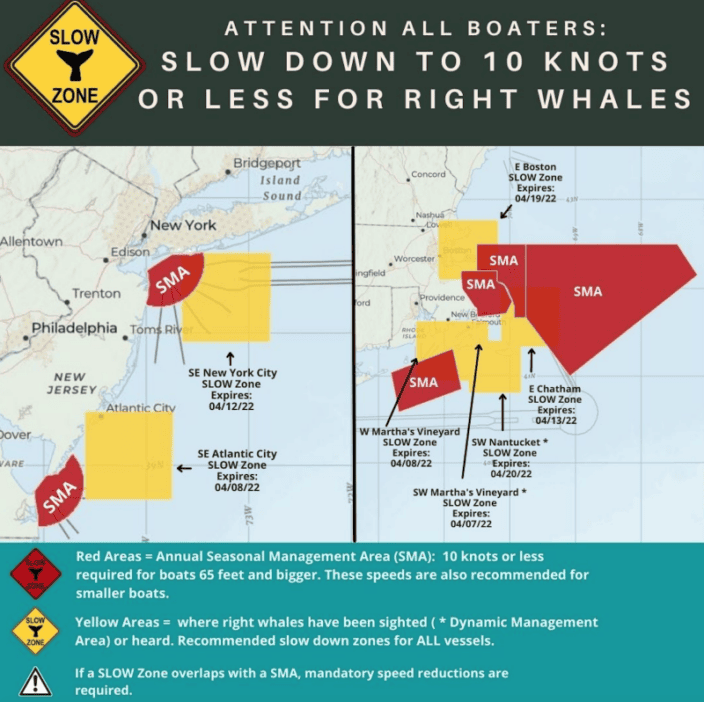
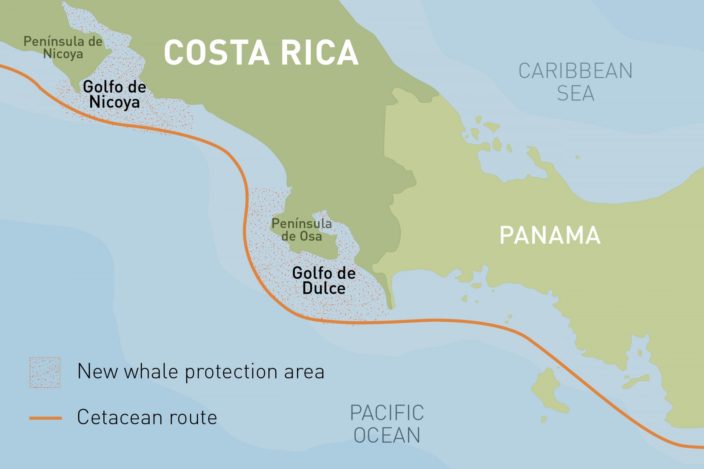
Alternatively, you can avoid areas with a high likelihood of encountering a whale altogether. The Marine Mammal Advisory Group helps various ocean sailing competitions find alternative routes that avoid high risk areas such as the Canary Islands or the Azores. Similarly, in Costa Rica certain areas at Bahía Pavón and the Osa Peninsula are to be avoided entirely.
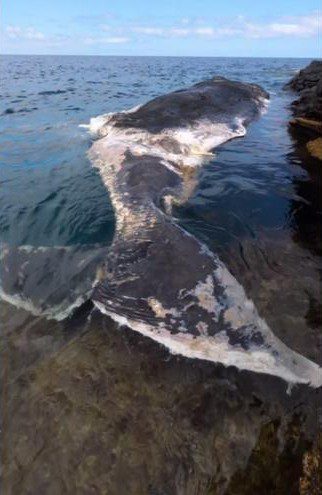
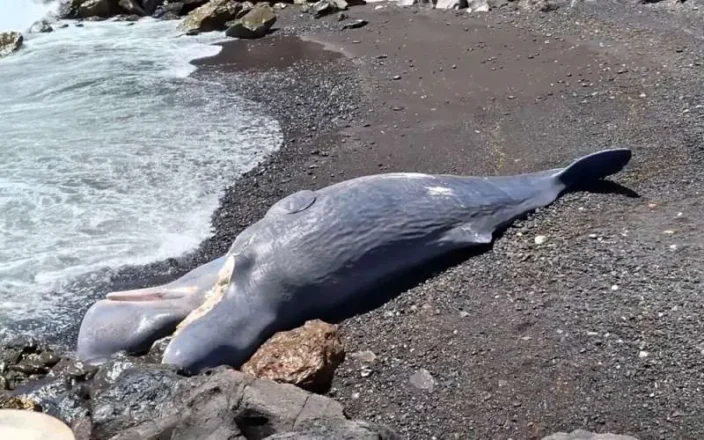
However, what do you do when you cannot slow down significantly or take an alternative route? That is an issue that many interisland ferries, such as those found in the Canary Islands, face. An average of approximately 2 sperm whales are struck by fast ferries in the Canaries annually, with even this likely being an underestimation2. While this may not seem like drastically huge number, research shows that the loss of two of the resident sperm whales a year may have population wide effects. This especially rings true when one considers all the other anthropogenic threats that these animals face in these busy waters.
Yet these fast ferries must stick to their course. Not only are they highly enjoyed by tourists, but they play a vital role in the day-to-day life of those living on the Canary Islands. Every day these vessels travel between the islands, over sea canyons and mounts, biodiversity hotspots for cetaceans, at 30 – 40 knots. Slowing down to 10 knots or less would triple the travelling time which would cripple the industry.
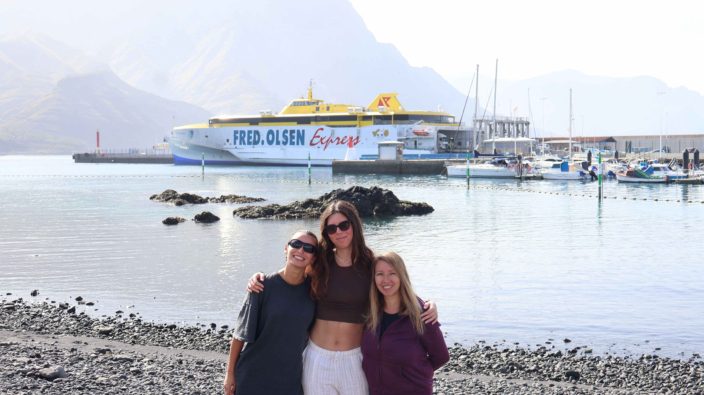
This is where the Atlantic Whale Deal comes in. Ship strikes are bad news all around. Not only are you likely to injure or kill the cetacean, but the risk of damage to the ship, the goods it is carrying or to its crew and passengers is very real. The negative publicity is another matter entirely. Therefore it is no surprise that Fred Olson, the interisland ferry company in the Canary Islands, is an active participant in the Atlantic Whale Deal.
Technology to detect whales before the strike happens would make a world of difference. As technology continues to improve and become more affordable, commercial use of high-tech camera systems is one of the solutions. The Irish Whale and Dolphin Group has therefore been testing the Sea.AI Sentry Thermal Camera. Its primary focus is on sea safety in general, with the camera already in use by the French coastguard to find people from capsized vessels. However, they are eager to train their software to recognize the thermal signature of a whale’s blow and alert the crew.
With most of the whale’s body remaining below the surface, even when they come up to breathe, using the body temperature is not a reliable method to detect whales at sea. Their blows, on the other hand, can be up to 12 meters high, depending on the species. It is the cue that marine mammal observers often use to spot them and can be detected by the thermal camera as well. The blows are a mix of air and water particles that have been heated up by the whale’s own body temperature, which can run hotter than the surrounding air. It is similar to watching the clouds of air puffing out of a jogger during a cold morning run.
So, on every survey the MMOs have been searching for large whales to record these blows. We want to determine how well both the hardware and software of the camera works as well as how environmental factors such as wind, air temperature, rain and more affects the cameras performance. All the footage is also returned to Sea.AI, who use it to improve the software’s ability to recognize blows.
By the end of the project, we hope to have given an accurate report of the camera’s capabilities to help governments and companies decide what technology to invest in. And we are not doing it alone. In the Canary Islands, cameras are being tested on the fast ferries themselves by the Universidad de La Laguna. Cargo ships in Macronesia and the Iberian Peninsula too are part of the process through the CETUS project with CIIMAR.
Outside of thermal cameras, the AWD is also testing the use of satellite imagery to identify potential ship strike hazards. Hydrophones have also been deployed in Canarian waters to study the ability to acoustically detect sperm whales in an area with high ambient noise and varying bathymetric features.
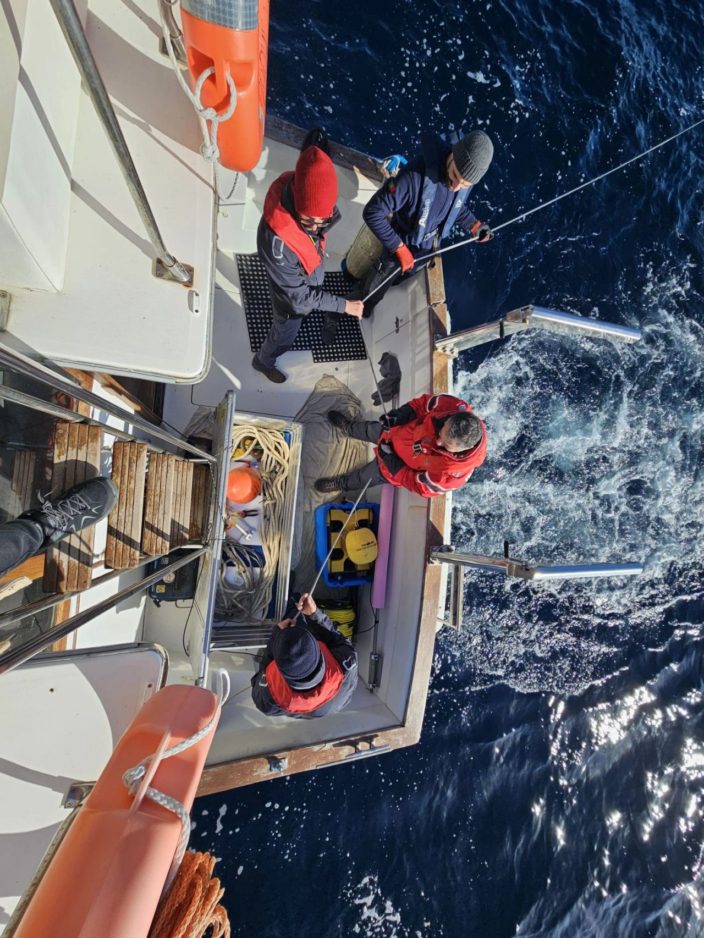
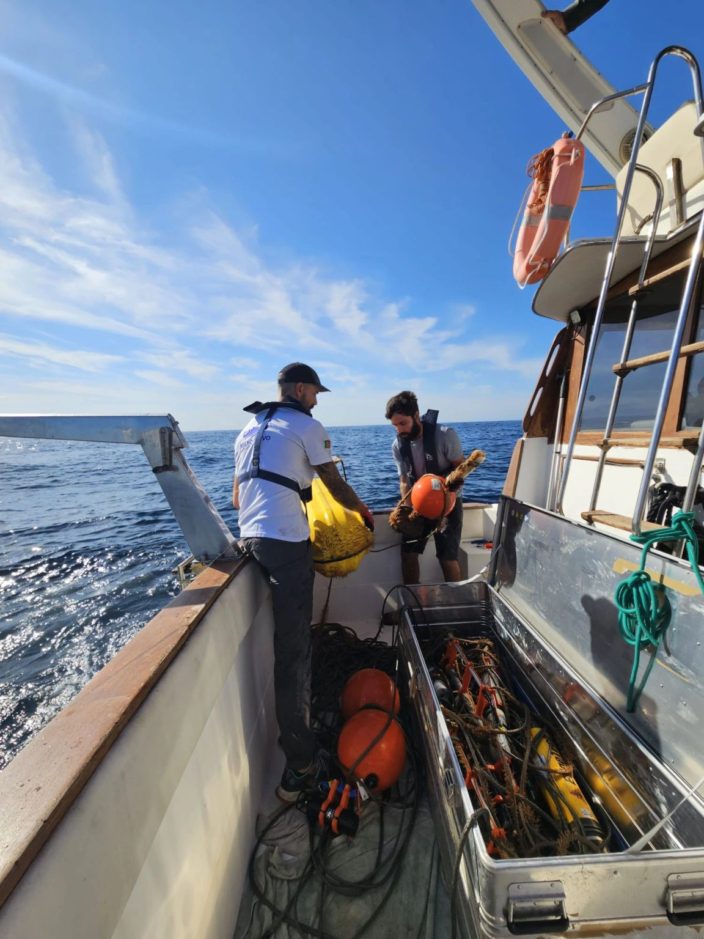
Currently the field work aspect of the AWD is coming to a close, with over 20 weeks of thermal camera footage collected by the IWDG. We are now working on reviewing the footage so we can start the statistical analysis. How far can the camera spot a blow? Does the wind speed or the air temperature affect that distance? What elements render the camera useless? A preliminary analysis of the partial database was already completed for this year’s European Cetacean Conference in Dundee, Scotland. During a short presentation it was revealed that the cameras hardware had great potential, though fog did significantly reduce the thermal camera’s ability to detect anything. Our partners in the Canaries highlighted in a poster that the software still needed some work, but we are happy to say that we have seen improvements in our last surveys.
Keep following our socials & website to find out more about our project. Check out our Instagram to see a reel showing off some of the showier blows on the thermal camera.
Emilie De Loose
Project Officer of the Atlantic Whale Deal
- Nisi, A. C., Welch, H., Brodie, S., Leiphardt, C., Rhodes, R., Hazen, E. L., … & Abrahms, B. (2024). Ship collision risk threatens whales across the world’s oceans. Science, 386(6724), 870-875. https://www.science.org/doi/abs/10.1126/science.adp1950
- Arbelo Hernández, M. A., Arregui Gil, M., Bernaldo de Quirós Miranda, Y., Díaz-Delgado, J., Sierra Pulpillo, E. M., Castro Alonso, A., … & Fernández Rodríguez, A. J. (2023). Review an update of cetacean ship strikes in the Canary Islands. https://accedacris.ulpgc.es/handle/10553/122006