
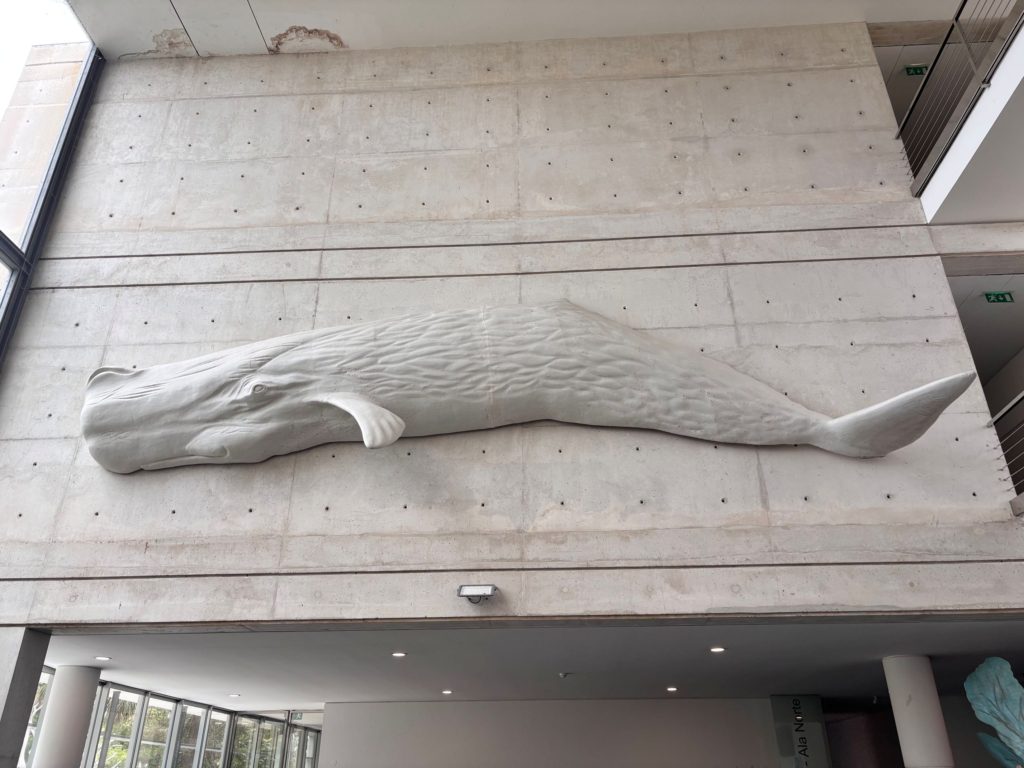
ECS Report
The European Cetacean Society (ECS) Conference 2025, held under the theme “Navigating Waters of Change,” brought together scientists, conservationists, and policymakers from across Europe and beyond to address the evolving challenges faced by cetaceans in our rapidly changing oceans. I had the privilege of participating in this dynamic event in multiple roles, contributing both to the conference’s scientific discourse and to my own growth as a communication professional.
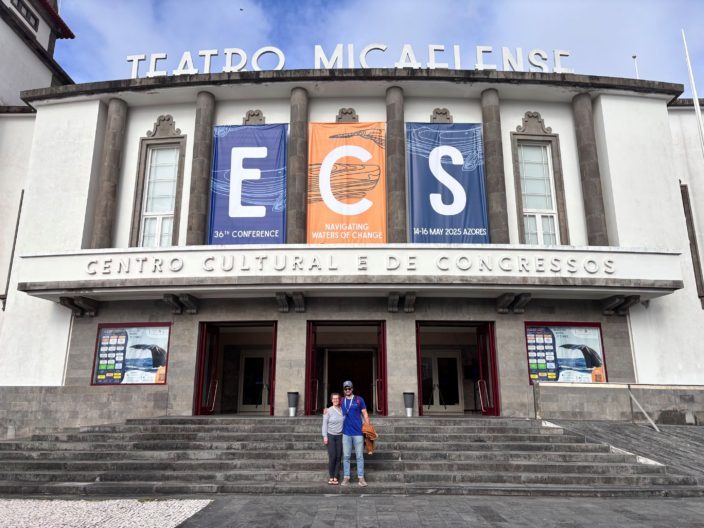
ECS Main Conference location at Teatro Micaelense, Ponte Delgada
A key highlight of my involvement was supporting the IWDG-led workshop titled “Establishing a Standard for Baseline Data Acquisition to Inform EIA in Europe and Applying Mitigation for Offshore Construction that Enables Compliance with the EU Habitats Directive.” I was responsible for producing comprehensive notes that informed the final report. This process not only allowed me to engage closely with cutting-edge discussions on Environmental Impact Assessments but also offered insight into the critical importance of standardisation and compliance in marine policy across Europe.
The workshop consisted of two main sessions: the morning session led by Dr. Stephen Comerford, IWDG ORE and Marine Biodiversity Officer, and the afternoon session led by Patrick Lyne, Marine Science Specialist.
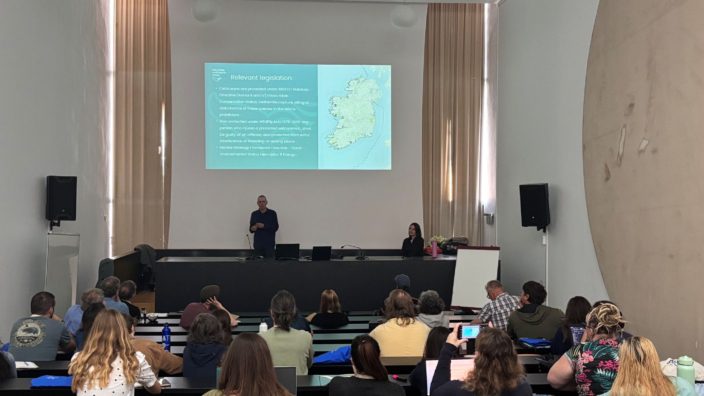
Establishing a Standard for Baseline Data Acquisition to Inform EIA in Europe and Applying Mitigation for Offshore Construction that Enables Compliance with the EU Habitats Directive Workshop at Universidade Dos Açores, 12/05/2025
The morning session featured five experts in marine environmental policy, underwater acoustics, and noise regulation.:
- Helen McCormick on the legal framework for integrating marine mammals into offshore wind development
- Ross Culloch on underwater noise modelling for impact assessment
- Nicole Todd on evidence-based noise management through GOMOREUS (an Irish perspective)
- Dr Michael Dähne on Germany’s regulatory framework for noise mitigation in offshore wind projects
- Tim Taugnitz on the challenges of seismic surveying and airgun noise regulations in Germany
The afternoon session focused on the ecological and cumulative effects of offshore wind, with an emphasis on underwater sound assessment.:
- Christy Young on frameworks for assessing ecological effects
- Jakob Tougaard on underwater noise monitoring and management within the ACCOBAMS region
- Michele Manghi on predicting and monitoring the impacts of underwater noise on marine mammals, exemplified by the complex case of the minke whale.
It was an intensive workshop, with much to learn and document.
The following day, I attended the inspiring workshop “Blue Innovations: Communities and Tech for Cetacean Monitoring on a Budget.” With breakout tables of eight participants, this session enabled vibrant idea exchange and networking. I engaged in discussions around community-driven, low-cost monitoring tools, gaining valuable insights from international colleagues directly applicable to my work. These conversations highlighted the power of collaboration and accessible innovation in overcoming conservation challenges, especially for under-resourced communities.
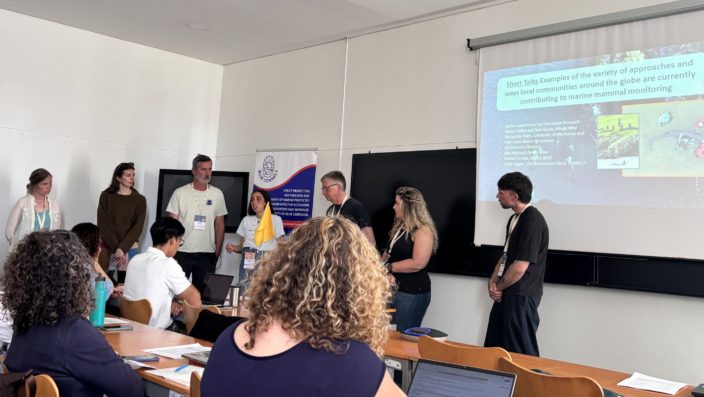
Blue Innovations: Communities and Tech for Cetacean Monitoring on a Budget workshop Q&A session at the Universidade Dos Açores, 13/05/2025
Beyond the workshops, I also assisted at the EU OCEAN stand, representing the IWDG’s EU-funded projects including the Ocean App. It was rewarding to showcase the IWDG’s successful Reporting App—central to the Ocean App initiative—and to engage attendees on urgent topics such as ship strike mitigation and carbon sequestration strategies in the Atlantic.
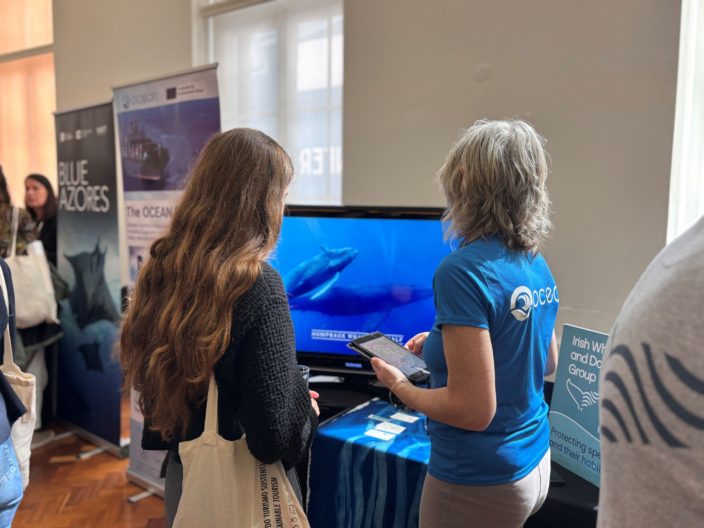
EU OCEAN and IWDG stand at the ECS Conference. 14/05/2025
Taking part in ECS 2025 provided me with useful knowledge, opportunities to expand my professional network, and strengthened my views regarding cetacean conservation worldwide.
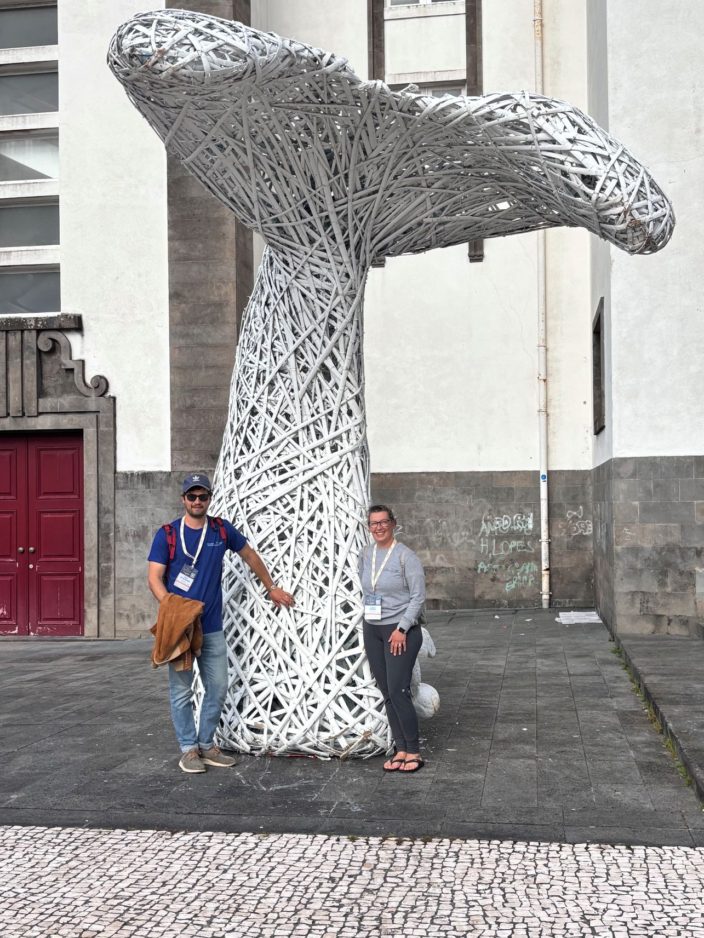
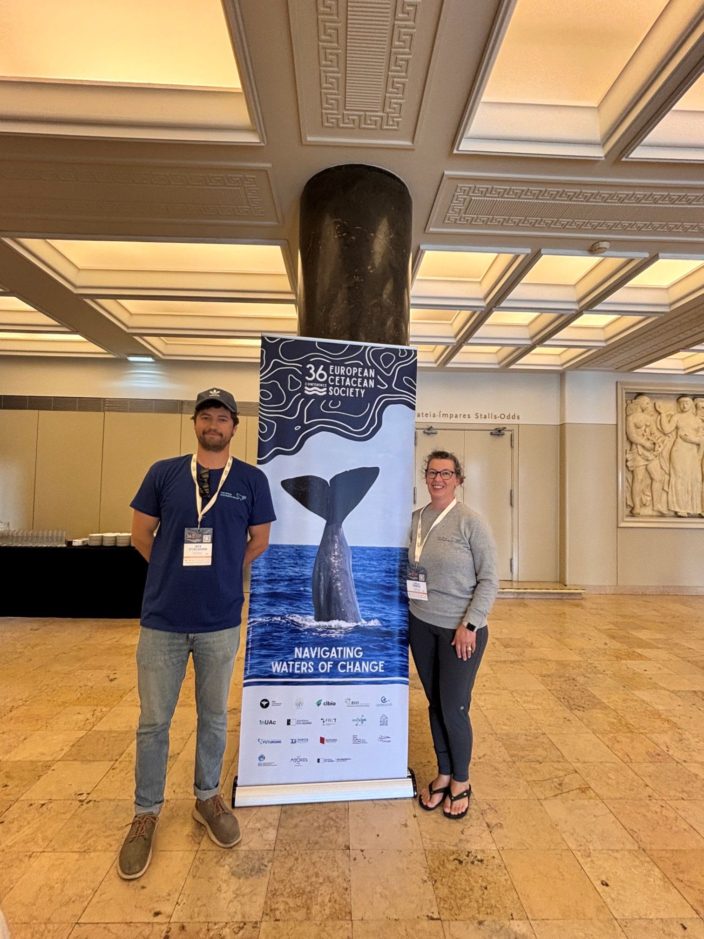
IWDG Science Officer Jack O’Callaghan and Coordination and Communication Officer Csilla Trungel at the 36th ECS Conference 2025.
Aside from the conference, I had a chance to explore Ponta Delgada and found it to have a lovely, charming Portuguese small-town vibe. All in all, it was an amazing experience — I learned a lot, met some really inspiring people, and got to enjoy a bit of the local atmosphere too. Definitely a trip to remember!
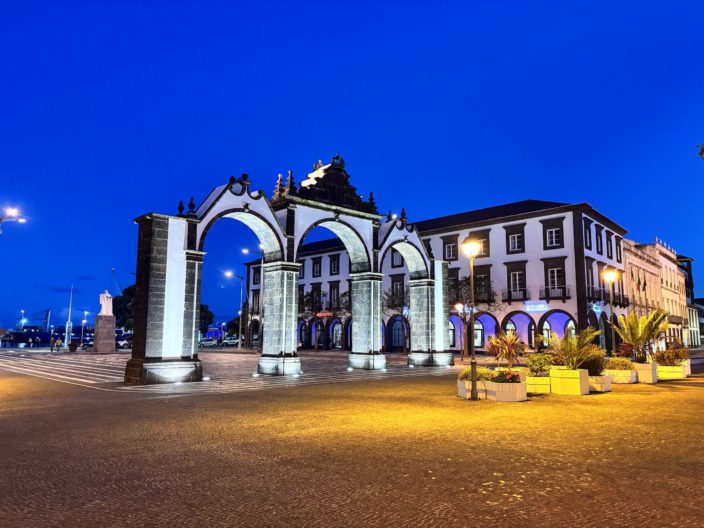
Portas da Cidade
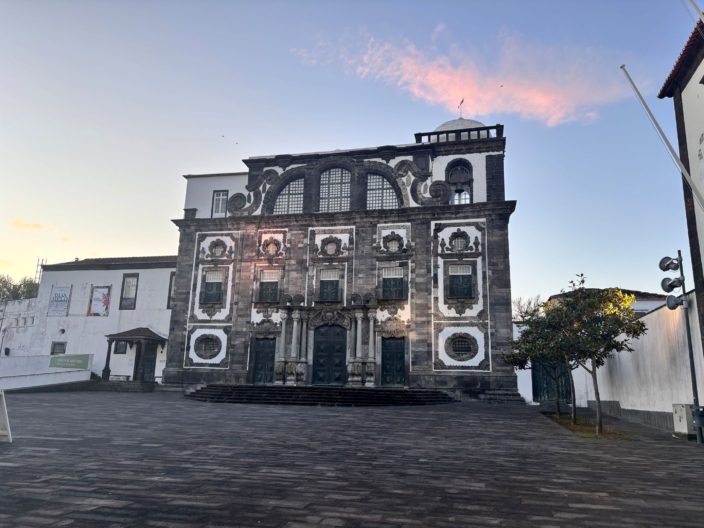
Núcleo de Arte Sacra
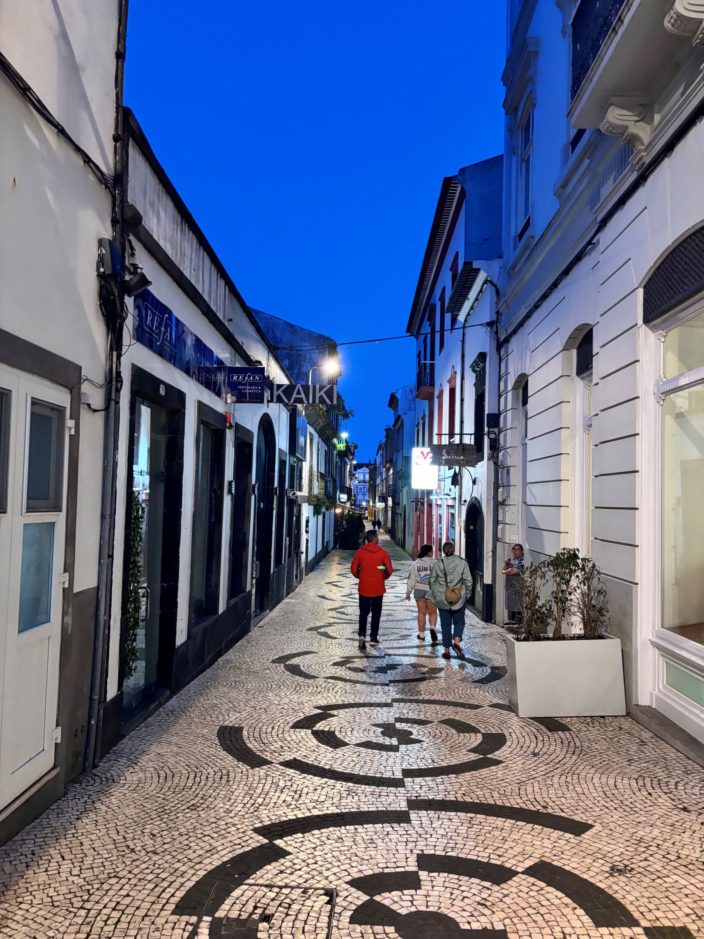
by Csilla Trungel, IWDG Coordination and Communication Officer
The Networking Initiative is funded by the Marine Institute under the Marine Research Programme with the support of the Government of Ireland.