
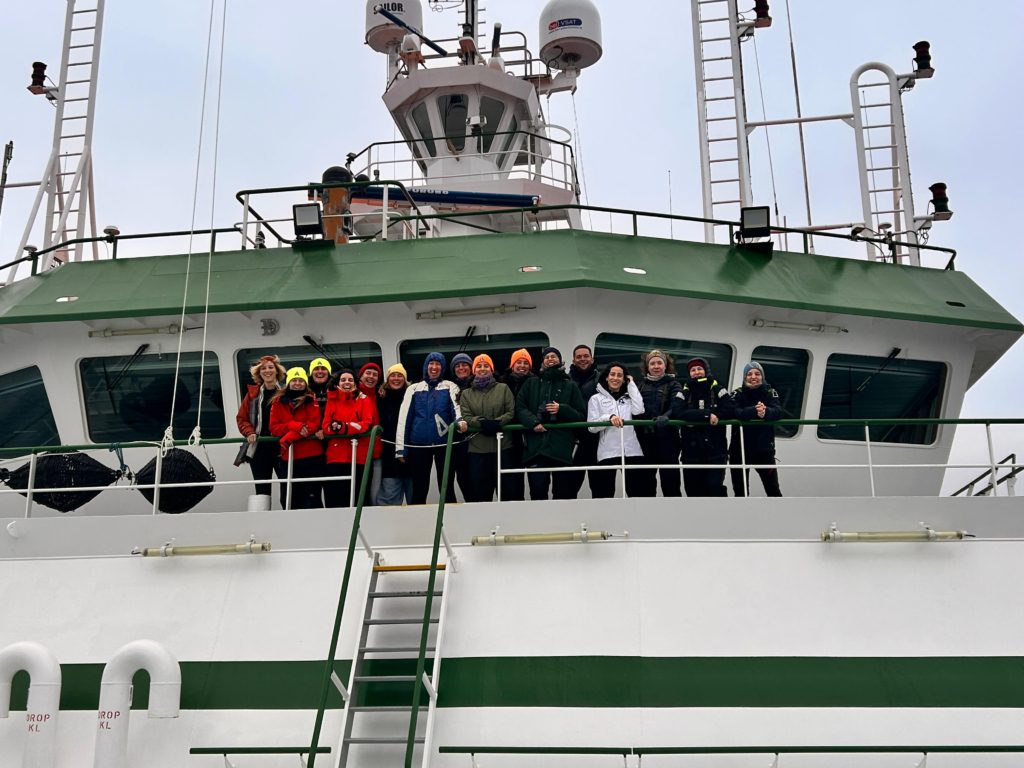
When it was announced that a second edition of the Acoustic Monitoring from Ireland to the Gibraltar Oceanic waters Survey (AMIGOS) was underway for the STRAITS (Strategic Infrastructure for improved animal Tracking in European Seas) project, we were quick to reach out to the chief scientist, Dr María Pérez Tadeo, to see if another berth was available. We were delighted to find out a space had been kept for us on the R.V. Celtic Explorer.
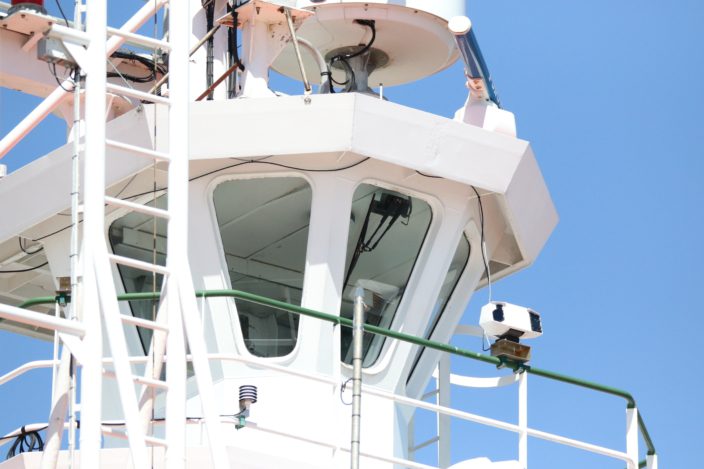
So early this October our project leader for the Atlantic Whale Deal, Emilie De Loose, packed her bags to fly to sunny seaside town of Cadiz, Spain to board the ship. The ship was filled with Marine Mammal Observers, Passive Acoustic Operators, Seabird Observers and an artist to document our trip. Mounted back on the handrail of the Explorer was the Sea.AI Thermal camera, who had been nicknamed Wall-E during the first AMIGOS trip. The camera would work in tandem with the MMO’s to spot and record cetaceans throughout our journey
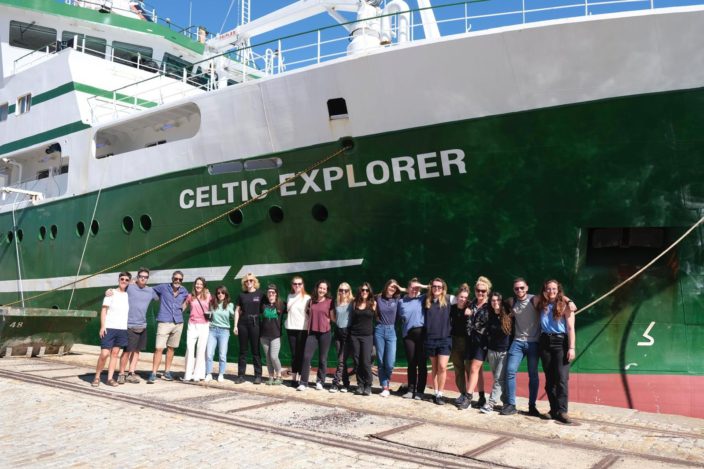
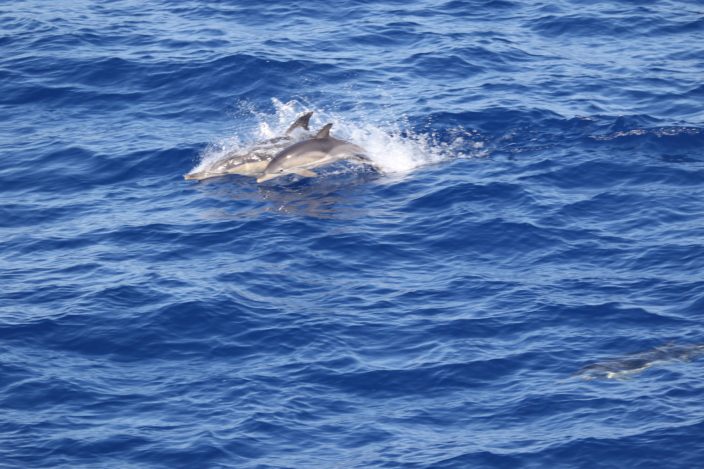
We set off from Cadiz into the Strait of Gibraltar where we then spent several days in the Mediterranean Sea collecting acoustic receivers. While sailing between Gibraltar and Morocco we got to enjoy the sunshine and the delightful company of striped dolphins. While daylight hours were spend scouring the ocean for any sign of blubber, our evenings were occupied by board games, crossword puzzles, lively debates and Irish dancing in the bows of the ship.
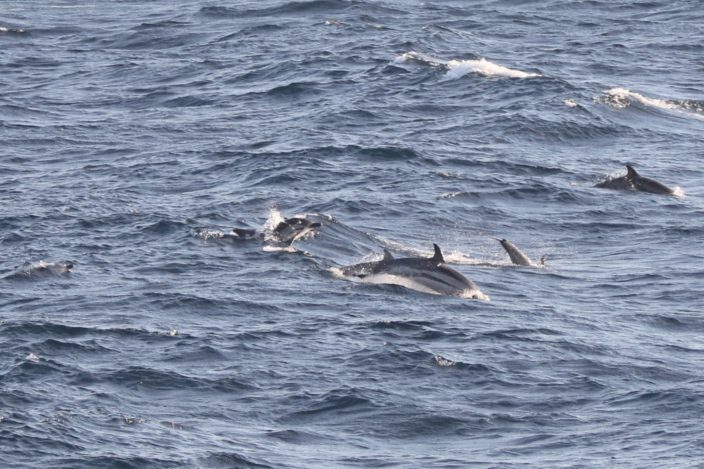
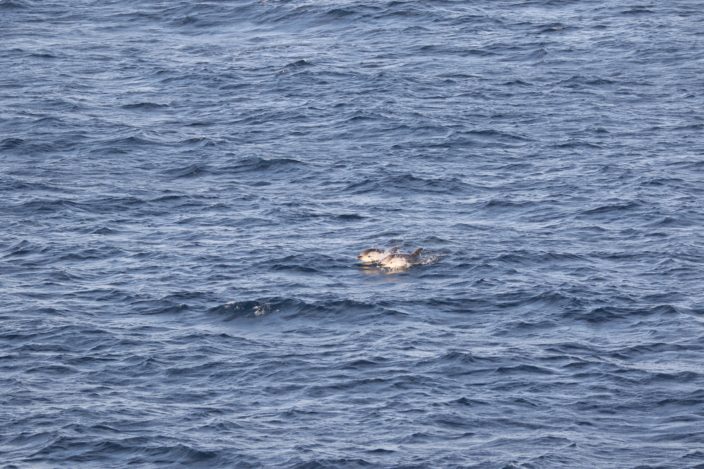
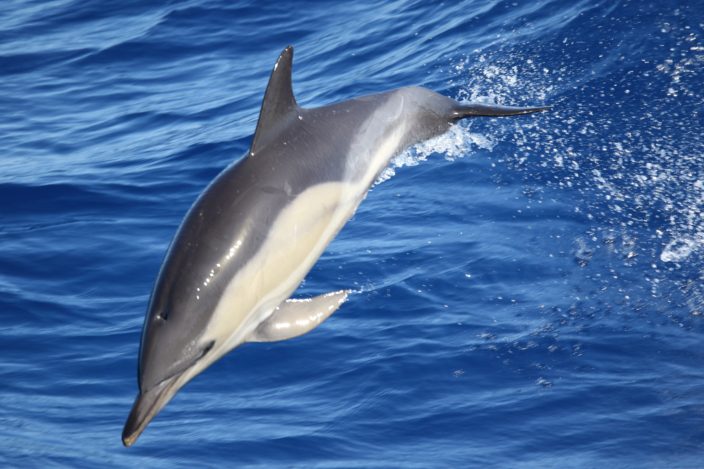
Acoustic receiver collected, we began the long journey back to Ireland, observing as we go. As we sailed along the coast of Portugal and Spain, the striped dolphins began to fade into the background as the familiar golden hourglass-shaped figure of common dolphins took over. Playful pods with tiny calves surfed the waves in our wake and rode on our bow, much to our delight. The warm waters were also home to young Mola molas (sunfish) basking in the sun and stunning sharks cruising at the surface.
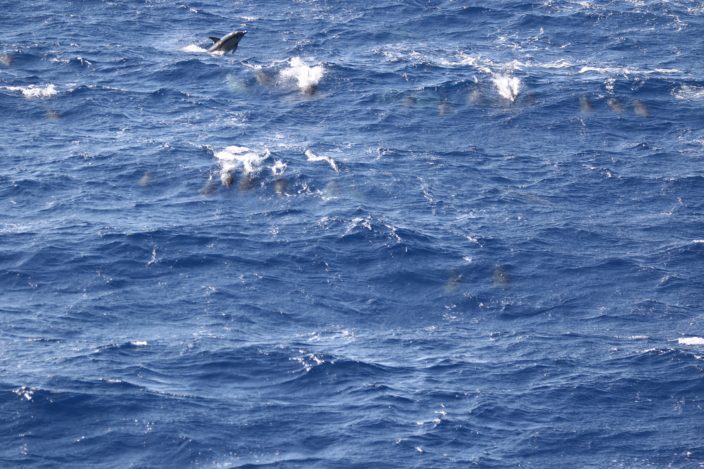
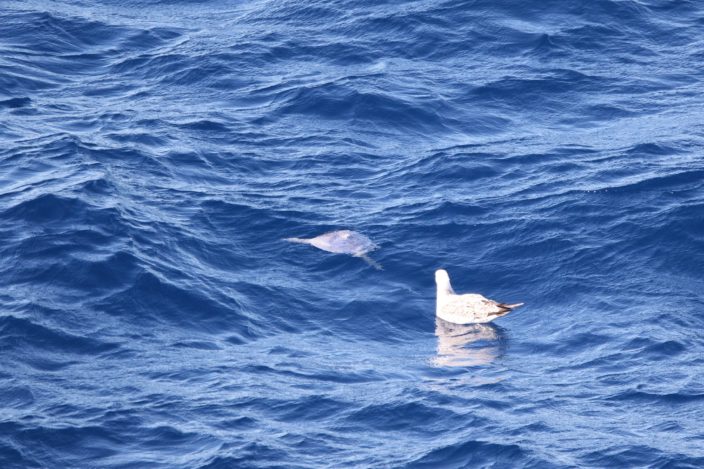
While we were hoping for a few whale sightings as we passed the Bay of Biscay, we were blown away by the sheer amount we spotted. For two days whales were abundant on the horizon. Most blows were seen at a fair distance, making identification trickier, especially with the wind scattering their shapes. Luckily for us, some of the large cetaceans were spotted closer to us. Large and powerful blows of Fin whales were seen from the horizon; the slightly smaller Sei whale was seen near the bow of the ship with a calf and a handful of small Minke whales were seen. They were brilliant days to be an MMO and a fantastic opportunity to capture large whale blows on the thermal camera for future analysis.
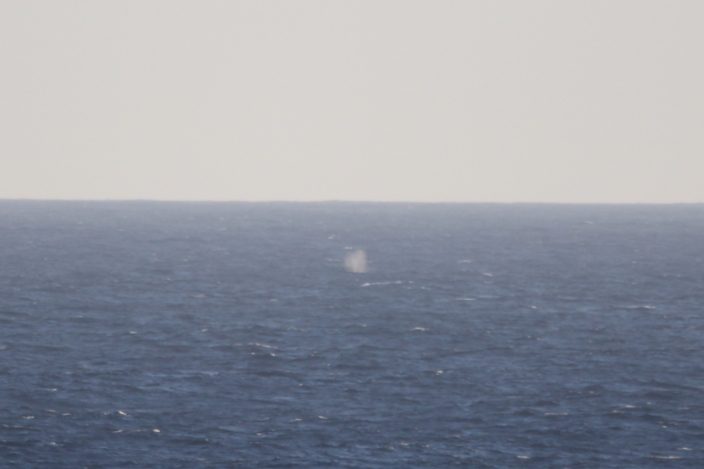
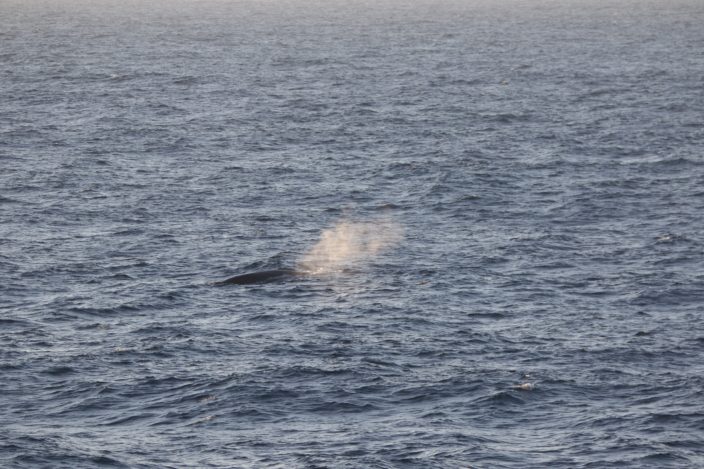
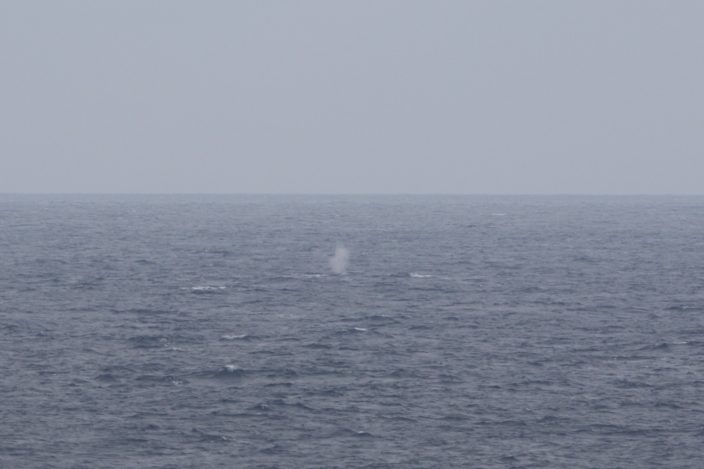
As we approached Ireland, more coats, gloves, scarves and beanies were put on, and the sunscreen disappeared back into our bags. As their name suggests, common dolphins remained common as we sailed, their fins frequently breaking the surface. Bottlenose dolphins and a pilot whale joined our list of sighted cetaceans as we progressed. It was late in the evening when we sailed into Cork Harbour, two weeks after we had set sail from Cadiz. Over the winter, Emilie will spend many hours revisiting the joyful memories of the survey as she sifts through the thermal camera images. The images will be used to evaluate the thermal camera’s ability to capture the thermal signature of whale blows. Working with this innovative technology may allow us to create early detection systems that can warn mariners of cetacean in the path of their vessel and prevent ship strikes.
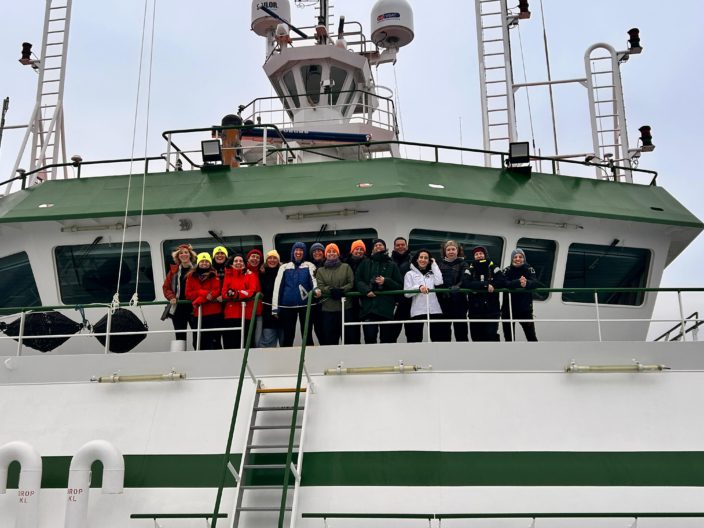
Emilie De Loose, Project Leader and Data Scientist of the Atlantic Whale Deal