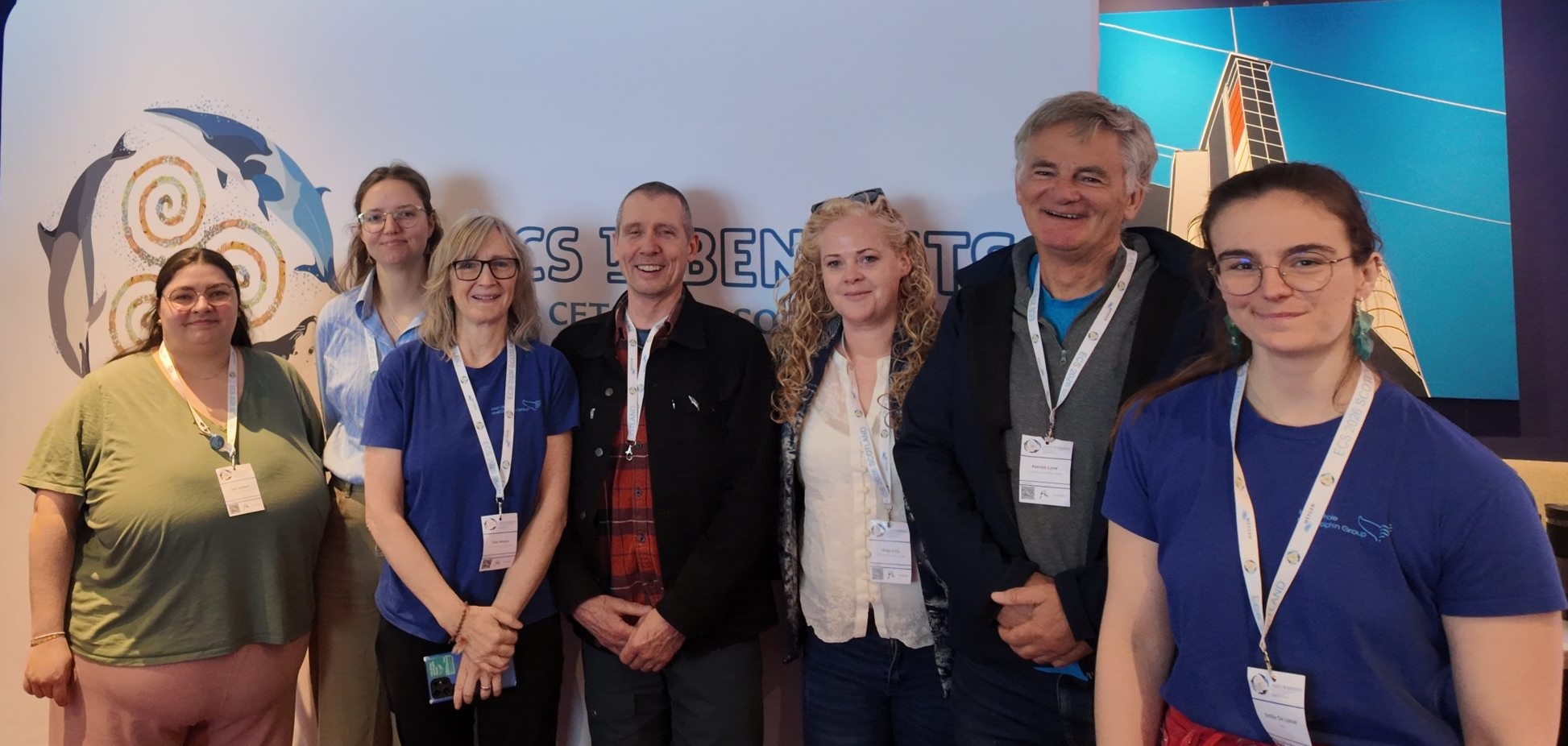
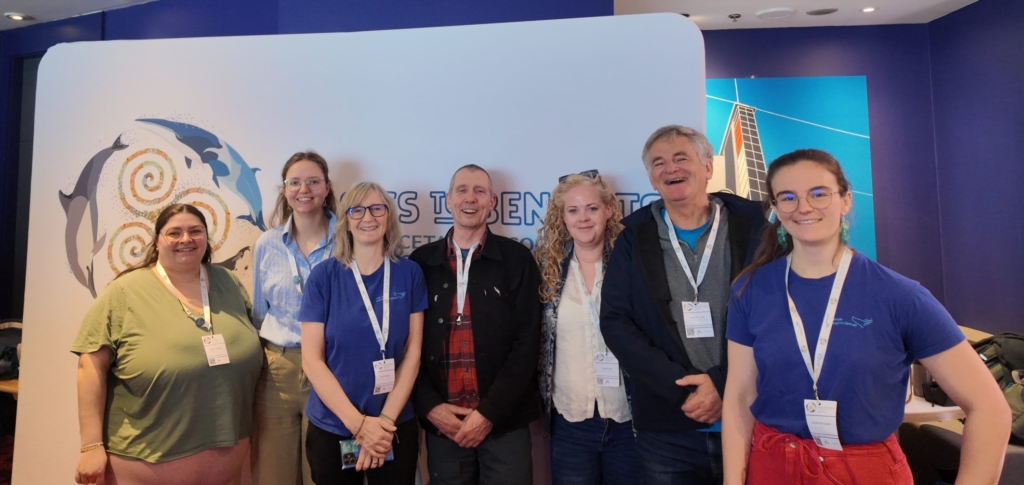
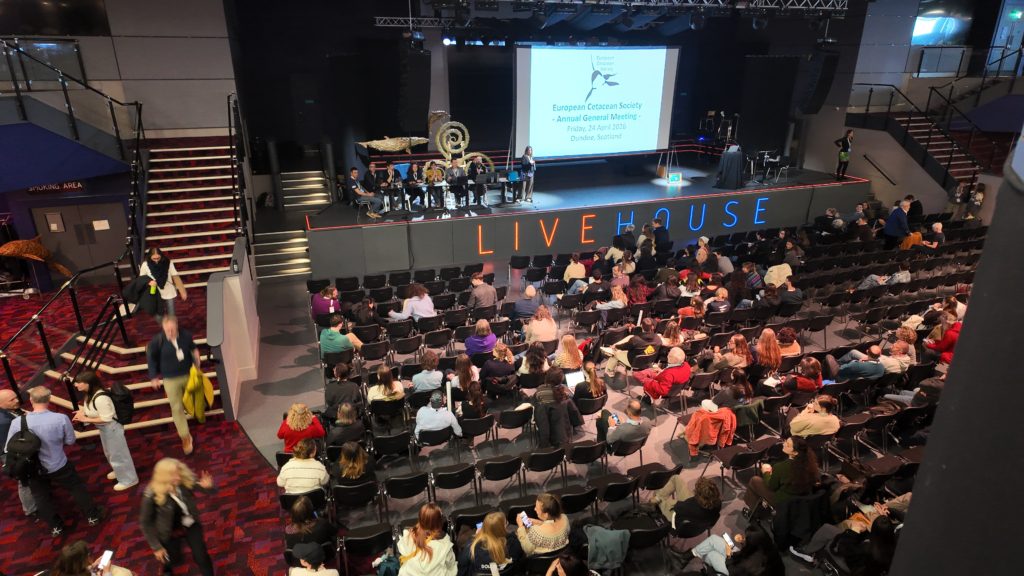
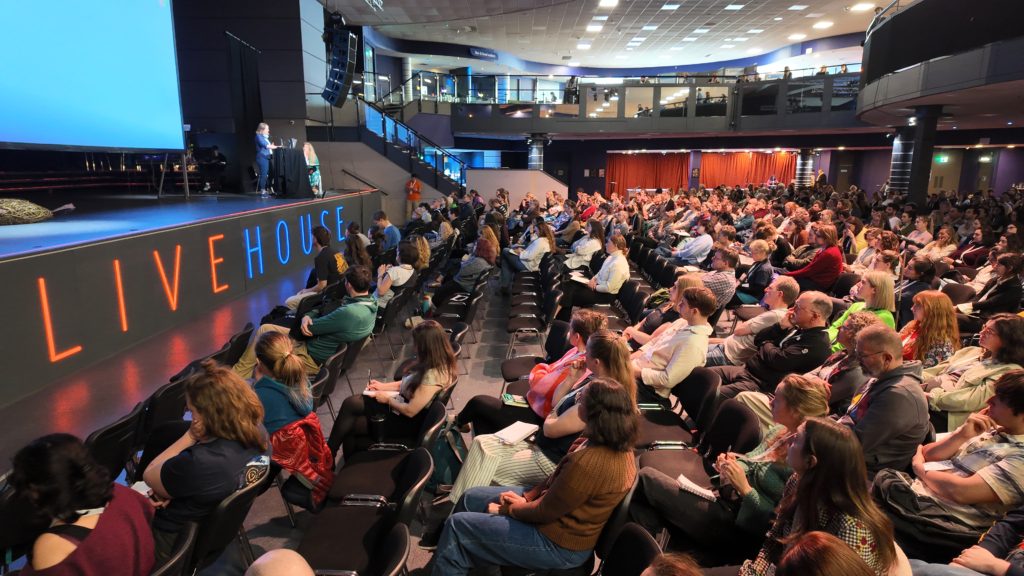
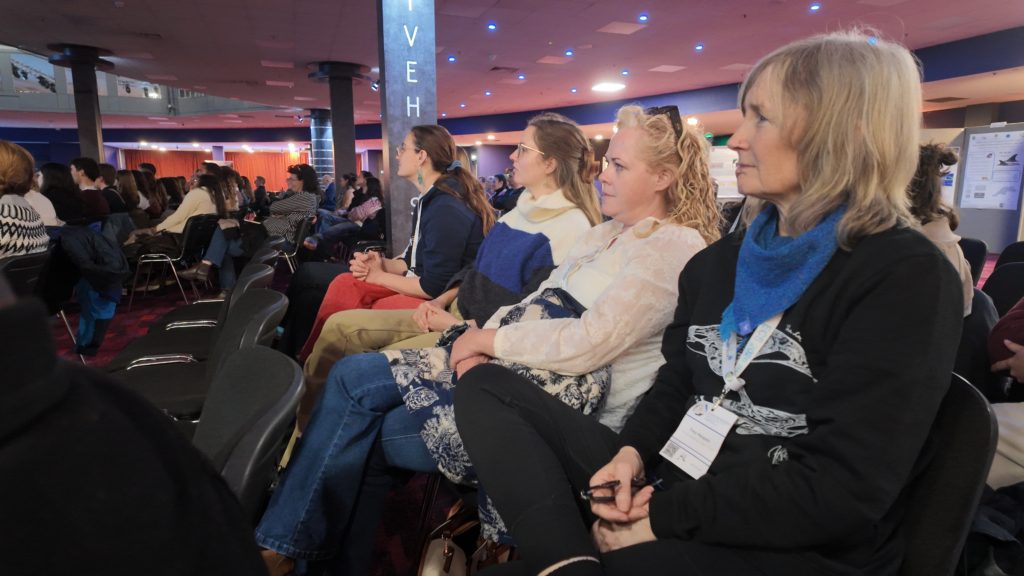
Team members of the Irish Whale and Dolphin Group travelled to Dundee, Scotland, in April for the 37th Annual Conference of the European Cetacean Society, one of Europe’s key gatherings for marine mammal researchers, conservation practitioners, students, policy specialists and stranding experts, reuniting over 800 people.
Held from 20–24 April 2026, this year’s conference theme was “Basics to Benefits”, highlighting the full journey of marine mammal science: from curiosity-driven research and long-term monitoring to the evidence needed for conservation, management and policy. For IWDG, this theme strongly reflected the value of our work across Ireland, where volunteer-supported data collection, vessel-based surveys, photo-identification, acoustic monitoring, strandings response and policy engagement all contribute to better protection for whales, dolphins and porpoises.
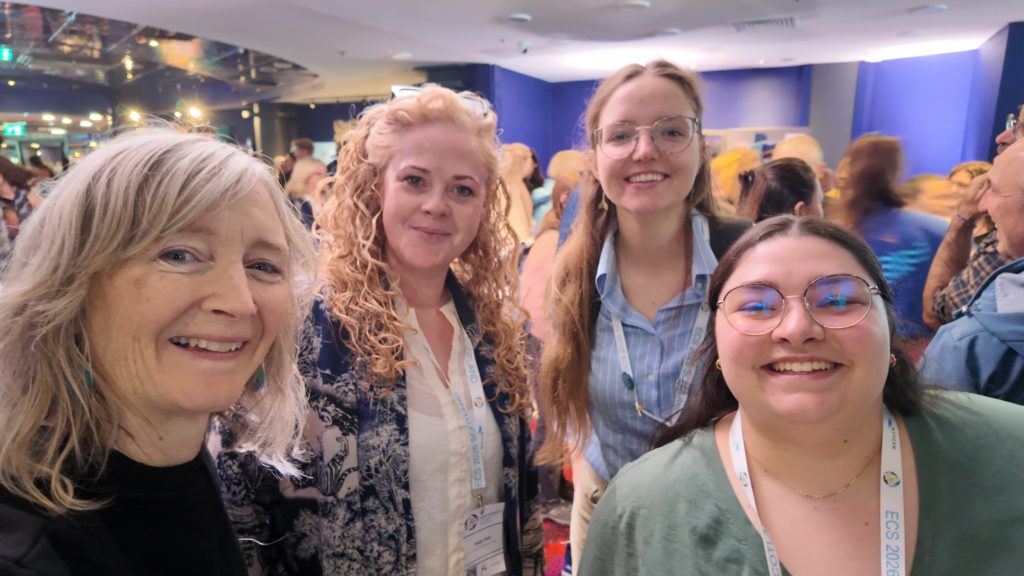
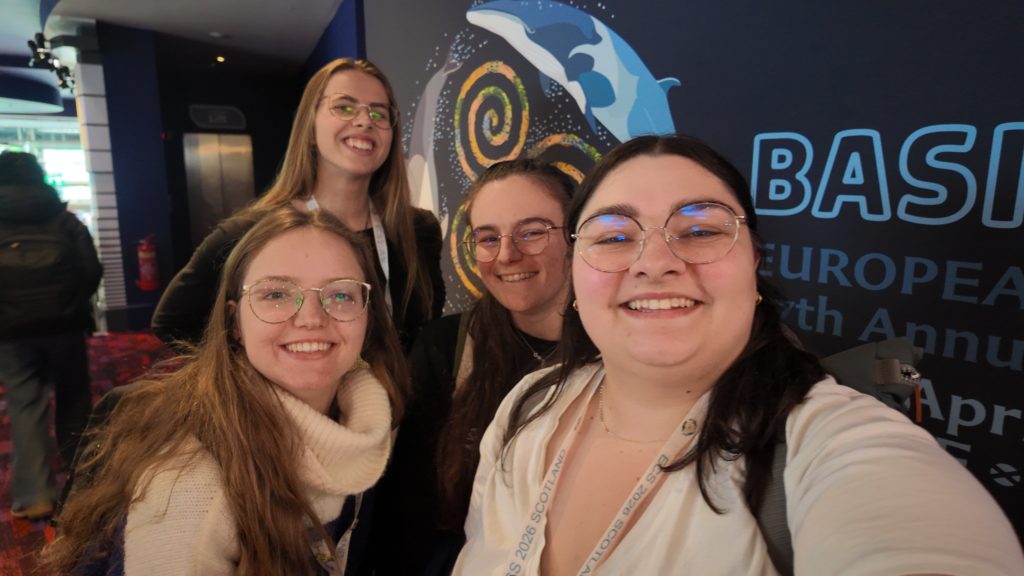
The IWDG team attending ECS 2026 included Eva Lambert, Mags Daly, Emilie De Loose, Jo Green, Stephen Comerford, Trea Heapes, and Patrick Lyne, with IWDG represented across scientific presentations, poster sessions, technical discussions and pre-conference workshops.
Sharing Irish research with the wider marine mammal community
IWDG contributed to the scientific programme through one short talk and four poster presentations, covering a wide range of issues relevant to marine mammal conservation in Irish waters.
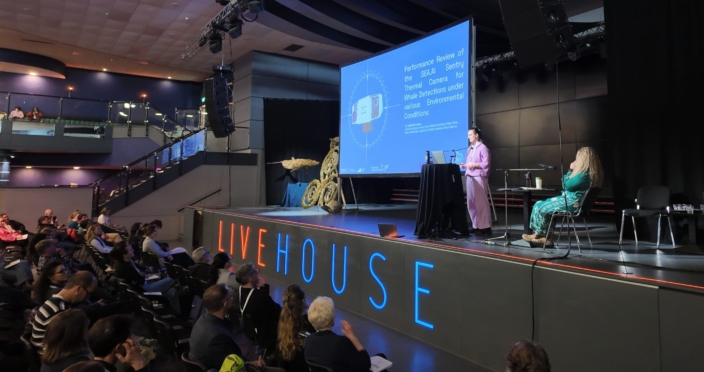
Emilie de Loose
Emilie De Loose delivered a short presentation titled Performance review of the Sea.AI Sentry Thermal camera for whale detections under various environmental conditions.
This work examined the potential of thermal camera technology as an early detection tool for whales, with relevance for reducing ship-strike risk and improving mitigation at sea.
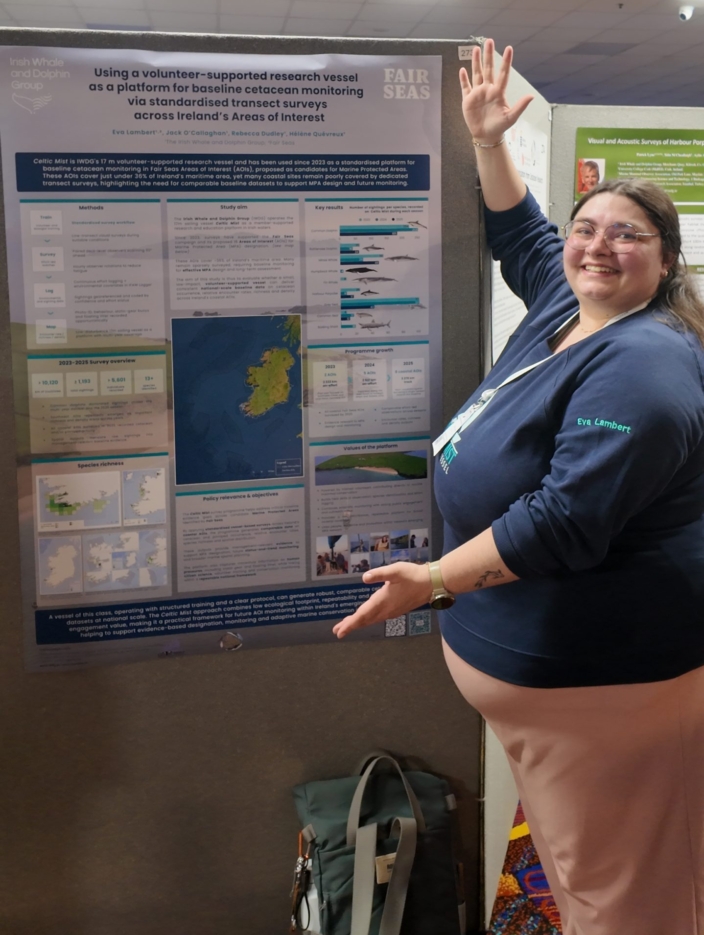
Eva Lambert
Eva Lambert presented Using a volunteer-supported research vessel as a platform for baseline cetacean monitoring via standardised transect surveys across Ireland’s Areas of Interest. The poster focused on the role of the IWDG research vessel Celtic Mist in collecting baseline cetacean data across Ireland’s coastal Areas of Interest identified by the Fair Seas campaign as candidate Marine Protected Areas. The work highlights how structured volunteer-supported surveys can help address data gaps, support MPA planning, and build long-term monitoring capacity in Irish waters.
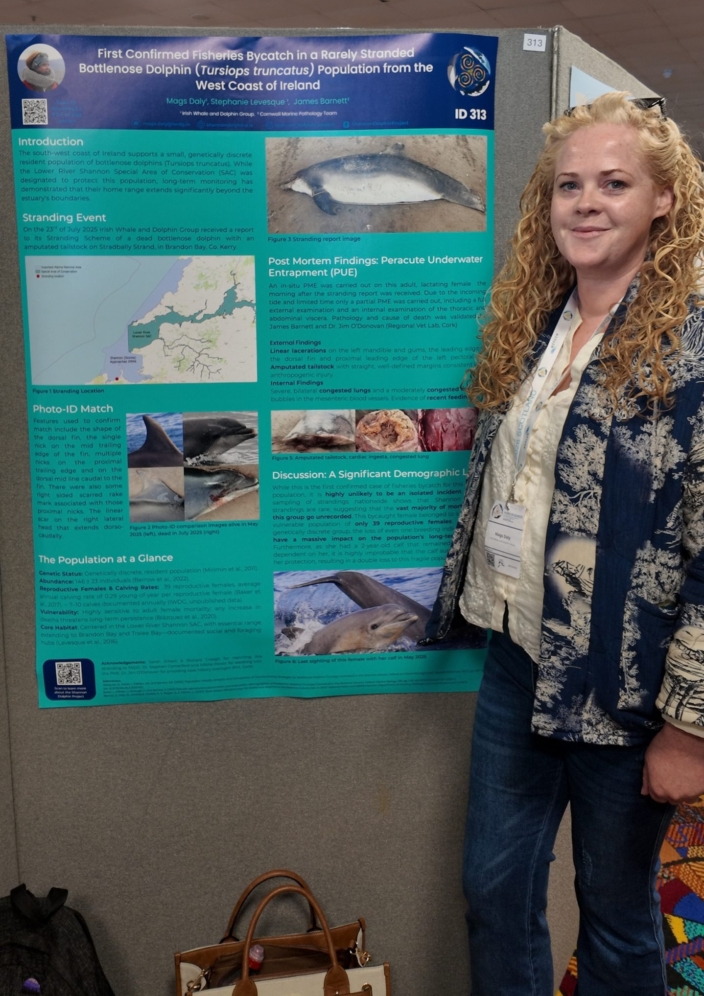
Mags Daly
Mags Daly presented First Confirmed Fisheries Bycatch Case in a Resident Bottlenose Dolphin Population, West Coast of Ireland. This poster shared an important case from Ireland’s resident bottlenose dolphin population, showing the value of detailed post-mortem investigation and long-term individual-based monitoring in identifying rare but significant mortality events.
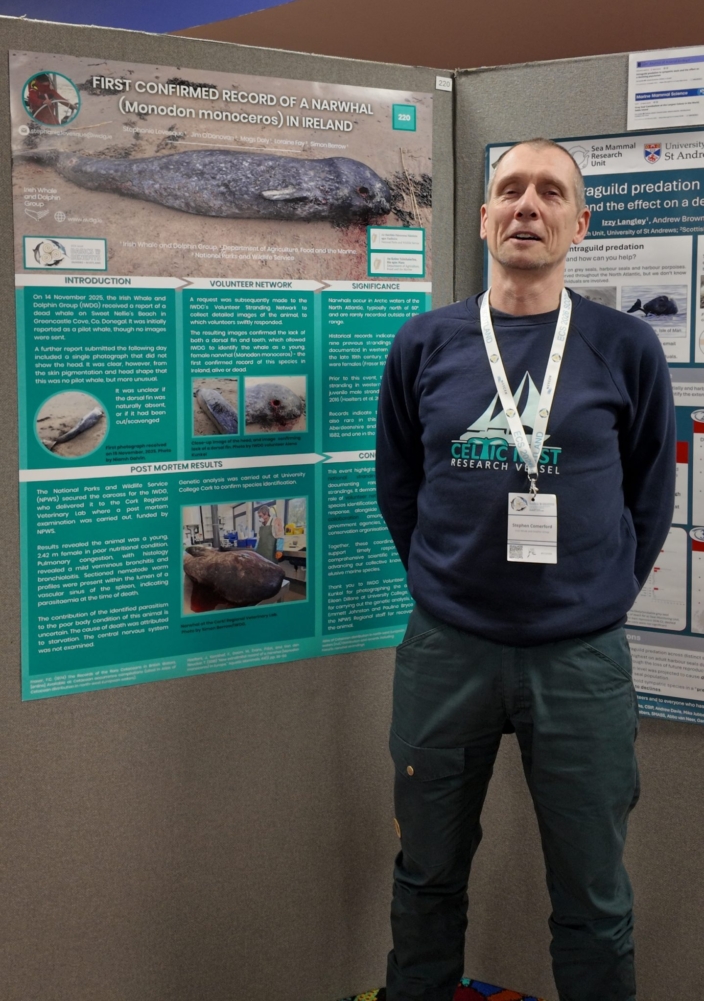
Stephen Comerford (in front of Stephanie Levesque’s poster)
Stephanie Levesque presented First confirmed record of a Narwhal (Monodon monoceros) in Ireland. The poster documented the first confirmed Irish record of this Arctic species, following a stranding in Co. Donegal, and demonstrated the importance of the IWDG Stranding Scheme and Volunteer Stranding Network in recording unusual and scientifically significant events.
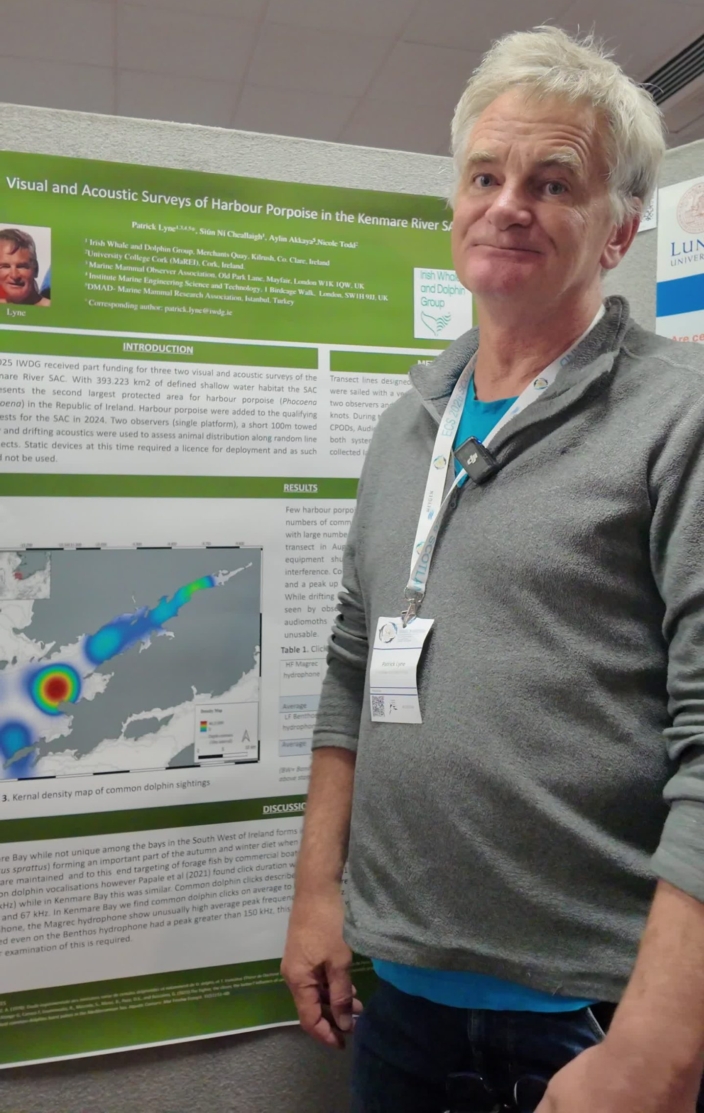
Patrick Lyne
Patrick Lyne presented Visual and Acoustic Surveys of Harbour Porpoise in the Kenmare River SAC, contributing further evidence on harbour porpoise monitoring in an Irish protected site.
Stephen Comerford contributed to the workshop Wind does not only blow in the North: Lessons for cetacean conservation in offshore wind development, from Northern experience to Southern application. This shared workshop explored how lessons from regions with established offshore wind sectors can inform cetacean conservation in emerging offshore renewable energy areas.
Together, these contributions showed the breadth of IWDG’s work: from offshore and coastal survey methods to strandings, bycatch, emerging technologies, protected areas and long-term conservation evidence.
Learning through workshops
Before the main conference began, IWDG staff also took part in several pre-conference workshops. These covered topics highly relevant to current conservation challenges, including marine mammal welfare, whale and dolphin watching, citizen science, eDNA, marine mammal monitoring, underwater noise, and offshore wind development.
Stephen Comerford was also involved in the workshop Wind does not only blow in the North: Lessons for cetacean conservation in offshore wind development, from Northern experience to Southern application. This workshop explored how lessons from regions with established offshore wind sectors can inform cetacean conservation in emerging offshore renewable energy areas.
These discussions were particularly relevant for Ireland, where offshore renewable energy, marine spatial planning and Marine Protected Area development are all advancing rapidly. Ensuring that marine mammal evidence is built into planning, assessment and mitigation remains a central priority for IWDG.
From evidence to action
Across the week, several themes stood out: the need for robust long-term monitoring, the value of integrating new technologies with established field methods, the importance of stranding and post-mortem evidence, and the role of collaboration between scientists, communities, policymakers and practitioners.
For IWDG, ECS 2026 was an opportunity to share Irish research, learn from international colleagues, and strengthen links with the wider marine mammal community. It also reinforced the importance of continued investment in baseline data, citizen science, and applied conservation work.
Ireland’s whales, dolphins and porpoises face increasing pressures from fisheries interactions, underwater noise, climate change, vessel traffic, habitat change and expanding human activity at sea. Strong conservation decisions depend on strong evidence. Conferences like ECS provide an important space to exchange that evidence, challenge methods, build collaborations and bring science closer to practical conservation outcomes.
IWDG will continue to work to ensure that marine mammal science informs effective protection for Ireland’s seas.